


Hey there! As a supplier of underground electrical wire, I often get asked about the minimum bend radius for these wires. It's a crucial topic because bending wires too sharply can lead to a whole bunch of problems, like damaging the wire's insulation, reducing its conductivity, and even posing safety risks. So, let's dive right into it and figure out what this minimum bend radius is all about.
First off, what exactly is the minimum bend radius? Well, it's the smallest radius at which you can safely bend an underground electrical wire without causing any significant damage. This radius is usually expressed as a multiple of the wire's outer diameter. For example, if a wire has a minimum bend radius of 5 times its outer diameter and the outer diameter is 10 mm, then the minimum radius you can bend it around is 50 mm.
Now, why does the minimum bend radius matter so much? When you bend a wire too sharply, you're putting a lot of stress on the insulation and the conductor inside. The insulation can crack, which exposes the conductor and increases the risk of short - circuits and electrical shocks. The conductor itself can also get deformed, which can lead to an increase in resistance. Higher resistance means more heat is generated when electricity flows through the wire, and that can cause the wire to overheat and potentially start a fire.
There are several factors that determine the minimum bend radius of underground electrical wire. One of the most important factors is the type of wire. Different materials have different levels of flexibility. For instance, copper wires are generally more flexible than aluminum wires. So, a copper underground wire might have a smaller minimum bend radius compared to an aluminum one of the same size.
The size of the wire also plays a big role. Thicker wires are usually less flexible than thinner ones. A larger - gauge wire, like a 2.0 Awg Copper Underground Wire, will typically have a larger minimum bend radius than a smaller - gauge wire. This is because the larger the cross - sectional area of the conductor, the more difficult it is to bend without causing damage.
Another factor is the type of insulation. Some insulations are more flexible than others. For example, wires with a rubber - based insulation might be more flexible than those with a PVC insulation. The design of the wire, such as whether it's a solid or stranded conductor, also affects its flexibility. Stranded conductors are generally more flexible than solid conductors because the individual strands can move more easily relative to each other when the wire is bent.
So, how do you determine the minimum bend radius for a specific underground electrical wire? Well, the first place to look is the manufacturer's specifications. We, as a supplier, always provide detailed information about the minimum bend radius for each of our products. These specifications are based on extensive testing and research to ensure the safe and proper use of the wire.
In general, for most underground electrical wires, the minimum bend radius ranges from 5 to 20 times the outer diameter of the wire. But again, this can vary widely depending on the factors we've discussed above. For example, a small - gauge, stranded copper wire with a flexible insulation might have a minimum bend radius of around 5 times its outer diameter, while a large - gauge, solid aluminum wire with a less flexible insulation could have a minimum bend radius of 20 times or more.
Let's talk about some real - world applications. If you're installing an Underground Electrical Wire for 100 Amp Service, you need to pay extra attention to the minimum bend radius. This type of wire is usually larger in size and carries a significant amount of electrical current. Bending it too sharply can have serious consequences, not only for the wire itself but also for the entire electrical system.
When you're installing underground electrical wire, it's also important to use the right tools. A bending tool specifically designed for electrical wires can help you achieve the correct bend radius. These tools are calibrated to ensure that you don't bend the wire too sharply.
If you're unsure about the minimum bend radius for a particular wire or installation, it's always a good idea to consult with a professional electrician. They have the experience and knowledge to handle these situations safely and correctly.

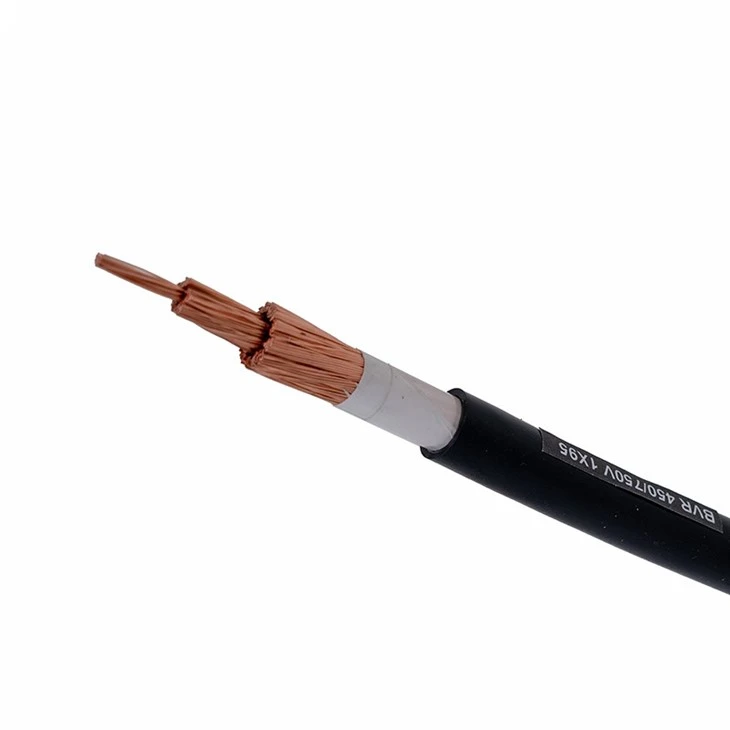
As a supplier of underground electrical wire, we take the issue of minimum bend radius very seriously. We make sure that all of our products meet the highest safety standards, and we provide our customers with all the necessary information to ensure proper installation. Our 2.0 Awg Copper Underground Wire is a great example of a high - quality product that is designed with flexibility and safety in mind.
If you're in the market for underground electrical wire, whether it's for a small residential project or a large commercial installation, we're here to help. We can provide you with the right wire for your needs, along with all the information about the minimum bend radius and other important specifications. Don't hesitate to get in touch with us to discuss your requirements and start a procurement negotiation. We're committed to providing you with the best products and services to ensure the success of your electrical project.
References
- Electrical Wiring Handbook
- National Electrical Code (NEC)






