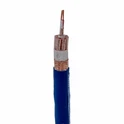
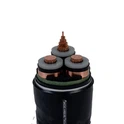
As a leading supplier of 0.6 - 1kv YJV Cable, I am often asked about the oil - resistance of our products. In this blog, I will delve into the details of the oil - resistance of 0.6 - 1kv YJV Cable, exploring what it means, why it matters, and how our cables perform in oil - rich environments.
Understanding the Basics of 0.6 - 1kv YJV Cable
Before we discuss oil - resistance, let's briefly review what 0.6 - 1kv YJV Cable is. The "0.6 - 1kv" refers to the voltage rating of the cable, indicating that it is suitable for use in low - voltage electrical systems. The "YJV" stands for cross - linked polyethylene insulated, PVC sheathed copper core power cable. This type of cable is widely used in various industries due to its excellent electrical performance, mechanical properties, and long - term reliability. You can find more information about 0.6 - 1kv YJV Cable on our website.
What is Oil - Resistance in Cables?
Oil - resistance in cables refers to the ability of the cable's insulation and sheath materials to withstand the effects of contact with various types of oils. Oils can be found in many industrial settings, such as in power plants, refineries, and automotive manufacturing facilities. When a cable comes into contact with oil, the oil can potentially cause damage to the cable's insulation and sheath materials. This damage can lead to a reduction in the cable's electrical performance, mechanical strength, and overall lifespan.
There are different types of oils that cables may encounter, including mineral oils, synthetic oils, and vegetable oils. Each type of oil has its own chemical composition and properties, which can affect the cable's performance differently. For example, mineral oils are commonly used in transformers and lubricants, while synthetic oils are often used in high - performance applications due to their superior thermal and chemical stability.
Why Oil - Resistance Matters
The importance of oil - resistance in cables cannot be overstated. In oil - rich environments, cables that are not oil - resistant can quickly deteriorate. The oil can penetrate the cable's insulation and sheath, causing swelling, softening, or cracking of the materials. This can lead to short circuits, electrical failures, and even safety hazards.
For industries such as oil and gas, petrochemical, and automotive, where cables are often exposed to oil, having oil - resistant cables is crucial for ensuring the reliable operation of electrical systems. A single cable failure in these industries can result in significant downtime, production losses, and potential safety risks. Therefore, investing in high - quality oil - resistant cables is a wise decision to prevent costly disruptions and maintain a safe working environment.
Oil - Resistance of Our 0.6 - 1kv YJV Cable
Our 0.6 - 1kv YJV Cable is designed with excellent oil - resistance properties. The insulation material, cross - linked polyethylene (XLPE), has inherent resistance to many types of oils. XLPE is a thermosetting polymer that has a high melting point and good chemical stability. It can resist the penetration of oil and maintain its electrical and mechanical properties even when exposed to oil for extended periods.
The sheath of our 0.6 - 1kv YJV Cable is made of polyvinyl chloride (PVC), which is also known for its oil - resistant characteristics. PVC has a dense structure that can prevent oil from seeping into the cable. Additionally, our PVC sheath is formulated with special additives to enhance its oil - resistance and improve its overall performance in harsh environments.
We have conducted extensive testing on our cables to ensure their oil - resistance. Our cables are tested according to international standards, such as IEC and ASTM, to simulate real - world oil - exposure conditions. The test results show that our 0.6 - 1kv YJV Cable can maintain its performance and integrity even after long - term exposure to various types of oils.
Applications of Oil - Resistant 0.6 - 1kv YJV Cable
The oil - resistant 0.6 - 1kv YJV Cable has a wide range of applications in different industries. In the oil and gas industry, it can be used for power transmission and distribution in offshore platforms, refineries, and oil pipelines. The cable's oil - resistance ensures its reliable operation in the presence of crude oil, lubricating oil, and other petroleum - based products.
In the automotive industry, our oil - resistant cables can be used in automotive manufacturing plants, where they are exposed to engine oil, transmission fluid, and other automotive lubricants. The cables can be used for powering electrical systems, such as lighting, sensors, and control units, in vehicles.
Another application is in power plants. In power generation and distribution systems, cables are often in close proximity to transformers and other equipment that use oil for cooling and insulation. Our oil - resistant 0.6 - 1kv YJV Cable can be used to connect these equipment, ensuring the stable operation of the power system. You can also explore our Low Voltage YJV Cable for more low - voltage cable options.


Comparing with Other Cables
When compared with other types of cables, our 0.6 - 1kv YJV Cable stands out for its excellent oil - resistance. Some traditional cables may not have the same level of protection against oil, which can lead to premature failure in oil - rich environments. For example, some rubber - insulated cables may be more susceptible to oil damage due to the nature of the rubber material.
Our 0.6 - 1kv YJV Cable also offers advantages in terms of cost - effectiveness. While the initial cost of oil - resistant cables may be slightly higher than non - oil - resistant cables, the long - term savings in terms of reduced maintenance, fewer replacements, and increased reliability make it a more economical choice in the long run.
Maintenance and Care of Oil - Resistant 0.6 - 1kv YJV Cable
Although our 0.6 - 1kv YJV Cable has excellent oil - resistance, proper maintenance and care are still necessary to ensure its long - term performance. Regular inspection of the cables is recommended to check for any signs of damage, such as cracks, swelling, or discoloration. If any damage is detected, the cable should be replaced immediately to prevent further problems.
It is also important to keep the cables clean and free from dirt and debris. Dirt and debris can accumulate on the cable's surface and potentially trap oil, which can accelerate the deterioration of the cable. Using appropriate cleaning methods and materials can help maintain the cable's integrity.
Our Commitment to Quality
As a supplier of 0.6 - 1kv YJV Cable, we are committed to providing high - quality products to our customers. We use the latest manufacturing technologies and the best raw materials to ensure the superior performance of our cables. Our production process is strictly monitored to meet international quality standards.
We also offer excellent customer service. Our team of experts is always ready to provide technical support and advice to our customers. Whether you have questions about the oil - resistance of our cables or need help with cable selection, we are here to assist you.
Conclusion
In conclusion, the oil - resistance of our 0.6 - 1kv YJV Cable is a key feature that makes it suitable for use in oil - rich environments. The combination of XLPE insulation and PVC sheath provides excellent protection against the damaging effects of oil. With its wide range of applications, cost - effectiveness, and reliable performance, our oil - resistant 0.6 - 1kv YJV Cable is the ideal choice for industries that require high - quality cables.
If you are in need of 4 C Xlpe Swa Pvc Cu Cable or other types of cables, or if you have any questions about our products, please do not hesitate to contact us. We look forward to discussing your cable requirements and providing you with the best solutions.
References
- International Electrotechnical Commission (IEC) standards
- American Society for Testing and Materials (ASTM) standards
- Industry reports on cable performance in oil - rich environments