


When it comes to installing underground electrical wires, one of the critical decisions you'll face is choosing the right backfill material. As a leading supplier of underground electrical wires, I've seen firsthand how the choice of backfill can significantly impact the performance and longevity of your electrical system. In this blog post, I'll delve into the recommended backfill materials for underground electrical wires, explaining their properties, advantages, and when to use them.
Why Backfill Material Matters
Before we explore the specific backfill materials, let's understand why this choice is so important. The backfill material serves several crucial functions:
- Protection: It shields the electrical wire from physical damage caused by rocks, roots, and other external forces.
- Thermal Dissipation: A good backfill material helps dissipate heat generated by the wire, preventing overheating and potential insulation damage.
- Moisture Management: It can either absorb or repel moisture, depending on its properties, which is essential for preventing corrosion and electrical failures.
- Stability: The backfill provides stability to the wire, preventing it from shifting or moving over time.
Recommended Backfill Materials
Sand
Sand is one of the most commonly used backfill materials for underground electrical wires. It has several advantages that make it a popular choice:
- Easy to Work With: Sand is lightweight and easy to excavate, making it simple to install around the wire.
- Good Drainage: It allows water to drain quickly, reducing the risk of water accumulation around the wire.
- Low Friction: Sand has a low coefficient of friction, which means it won't cause excessive wear on the wire's insulation.
- Cost-Effective: Sand is relatively inexpensive compared to other backfill materials.
However, sand also has some limitations. It doesn't provide much structural support, so it may not be suitable for areas with heavy traffic or where the wire is at risk of being disturbed. Additionally, sand can be washed away by heavy rainfall, which may expose the wire.
Gravel
Gravel is another popular backfill material, especially in areas where drainage is a concern. It offers several benefits:
- Excellent Drainage: Gravel has large pores that allow water to flow freely through it, preventing waterlogging.
- Good Structural Support: It provides more stability than sand, making it suitable for areas with heavy traffic or where the wire needs to be protected from mechanical damage.
- Resistant to Erosion: Gravel is less likely to be washed away by water compared to sand.
On the downside, gravel can be more expensive than sand, and it may require more effort to install. Additionally, sharp-edged gravel particles can potentially damage the wire's insulation if not properly installed.
Crushed Stone
Crushed stone is a high-quality backfill material that offers superior protection and stability. It is made by crushing large rocks into smaller pieces, resulting in a material with a uniform size and shape.
- High Strength: Crushed stone provides excellent structural support, making it ideal for areas with heavy loads or where the wire needs to be protected from external forces.
- Good Drainage: Like gravel, crushed stone allows water to drain quickly, reducing the risk of water damage.
- Resistant to Compaction: It maintains its shape and structure over time, even under heavy pressure.
However, crushed stone can be more expensive than sand or gravel, and it may require specialized equipment for installation.

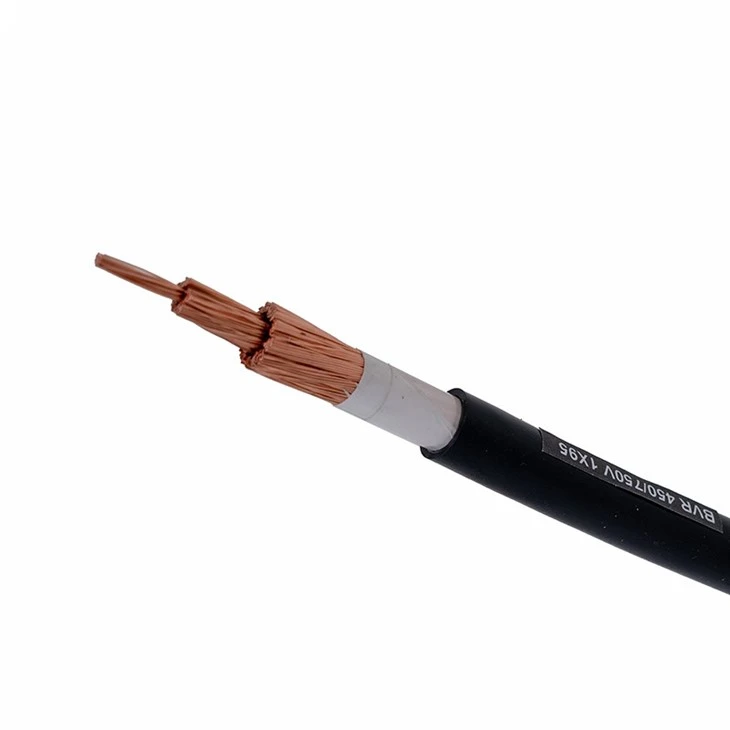
Backfill Compounds
Backfill compounds are specially formulated materials designed to provide optimal protection and performance for underground electrical wires. They are typically made from a mixture of polymers, minerals, and other additives.
- Customizable Properties: Backfill compounds can be tailored to meet specific requirements, such as high thermal conductivity, moisture resistance, or chemical resistance.
- Excellent Protection: They provide a high level of protection against physical damage, moisture, and corrosion.
- Easy to Install: Backfill compounds are usually in a liquid or semi-liquid form, which makes them easy to pour or pump around the wire.
The main drawback of backfill compounds is their cost. They are generally more expensive than traditional backfill materials, but their superior performance may justify the investment in certain applications.
Choosing the Right Backfill Material
The choice of backfill material depends on several factors, including:
- Soil Conditions: The type of soil in the installation area will determine the drainage and stability requirements of the backfill. For example, if the soil is clayey and has poor drainage, a material with good drainage properties, such as gravel or crushed stone, may be more suitable.
- Wire Type and Size: Different types of electrical wires have different insulation requirements and sensitivities to moisture and mechanical damage. The size of the wire also affects the amount of backfill material needed and the type of protection required.
- Installation Location: The location of the installation, such as whether it is in a residential area, a commercial site, or an industrial setting, will influence the choice of backfill material. For example, in areas with heavy traffic, a more durable and stable backfill material, such as crushed stone, may be necessary.
- Budget: The cost of the backfill material is an important consideration, especially for large-scale projects. While high-quality backfill compounds may offer superior performance, they may not be cost-effective for all applications.
Our Underground Electrical Wires
At our company, we offer a wide range of underground electrical wires to meet your specific needs. Our products include 6/3 with Ground Direct Burial Wire, 2.0 Awg Copper Underground Wire, and Underground Electrical Wire for 100 Amp Service. Our wires are made from high-quality materials and are designed to provide reliable performance and long-term durability.
Contact Us for Procurement
If you're in the market for underground electrical wires or need advice on choosing the right backfill material for your project, we're here to help. Our team of experts has extensive knowledge and experience in the electrical industry and can provide you with the guidance and support you need. Contact us today to discuss your requirements and start the procurement process.
References
- National Electrical Code (NEC)
- IEEE Standard for Safety in AC Substation Grounding
- ASTM International Standards for Backfill Materials






