In the vast and intricate landscape of power distribution systems, electrical wires play a role so fundamental that the entire operation of the system hinges on them. As a seasoned electrical wire supplier, I've witnessed firsthand how these unassuming components are the lifelines that carry the energy needed to power our modern world.
The Foundation of Power Transmission
At its core, electrical wire is designed to serve as a conduit for electrical current. In a power distribution system, the primary goal is to transfer electrical energy efficiently from the source, such as a power plant, to the end - users, whether it's a residential building, an industrial facility, or a commercial establishment. Electrical wires, with their conductive materials such as copper or aluminum, provide the path for the electric charge to flow.
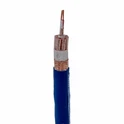
Copper, in particular, is a popular choice for electrical wires due to its high electrical conductivity. It allows for a smooth and efficient flow of electricity, minimizing energy loss during transmission. This is crucial in a power distribution system, as any loss of energy translates to inefficiency and increased costs. For example, in a long - distance power transmission line, even a small percentage of energy loss can add up to a significant amount over time. Our Electric Insulated 300 - 500V Cable is made with high - quality copper, ensuring reliable and efficient energy transfer in low - voltage applications.
Safety and Insulation
Safety is another paramount aspect in a power distribution system, and electrical wires play a crucial role in this regard. In addition to the conductive core, electrical wires are typically covered with an insulating material. The insulation serves multiple purposes. Firstly, it prevents the electric current from coming into contact with other conductive materials or people, thus reducing the risk of electrical shock and short - circuits.
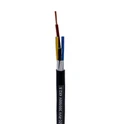
Secondly, insulation helps to maintain the integrity of the electrical current flow. It keeps the current confined within the wire, preventing leakage and interference with other electrical components in the system. Different types of insulation materials are used depending on the application and the environment. PVC (Polyvinyl Chloride) is a common insulation material due to its affordability, flexibility, and good insulation properties. Our Hookup Wire 450V Cable uses high - quality PVC insulation, providing reliable protection in various wiring applications.
Voltage Management
Electrical wires are also essential for voltage management in a power distribution system. The voltage of an electrical system varies at different stages of distribution. At the power generation level, the voltage is very high to facilitate efficient long - distance transmission. However, before the electricity can be used in homes and businesses, the voltage needs to be stepped down to a safe and usable level.
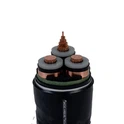
Wires with different cross - sectional areas and insulation ratings are used to handle different voltage levels. For high - voltage transmission, thick and well - insulated cables are required to withstand the high electrical stress. On the other hand, for low - voltage applications within a building, thinner wires can be used. Our 4 Core 70mm2 XLPE Insulated Cable is designed for high - power and high - voltage applications, with XLPE (Cross - linked Polyethylene) insulation that can handle high electrical stress and provide long - term durability.
Connectivity and Distribution
In a power distribution system, electrical wires are responsible for connecting different components together. They link power sources, transformers, circuit breakers, switches, and electrical outlets. This connectivity allows for the controlled distribution of electricity to different areas and devices.
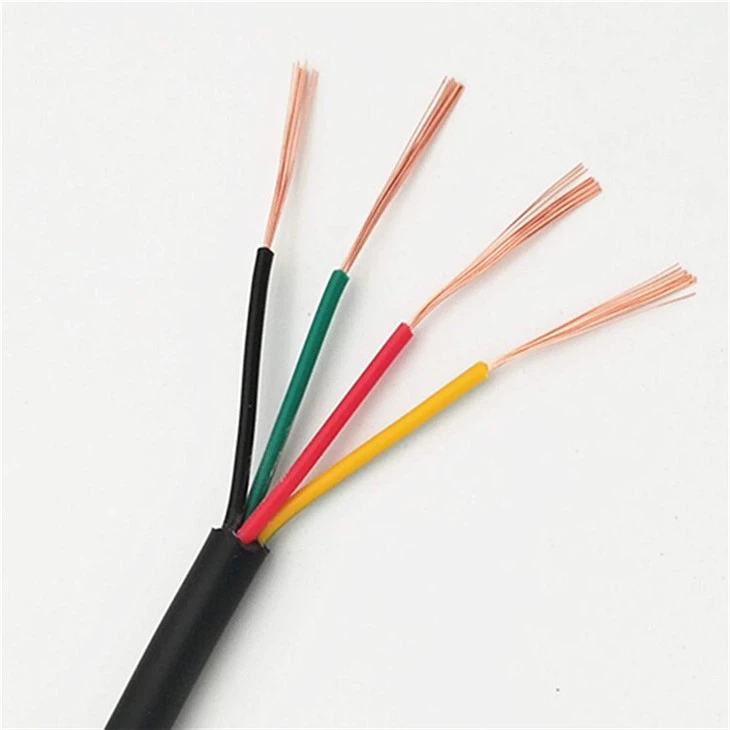

For example, in a residential building, the main electrical panel is connected to various circuits throughout the house using electrical wires. These circuits then distribute the electricity to different rooms, where it powers lights, appliances, and other electrical devices. In an industrial setting, wires connect large - scale machinery, control panels, and power distribution units, ensuring that each piece of equipment receives the right amount of power.
Adaptability to Different Environments
Power distribution systems operate in a wide range of environments, from harsh outdoor conditions to the controlled interiors of buildings. Electrical wires need to be able to adapt to these different environments to ensure reliable performance.
Outdoor wires need to be resistant to weather elements such as rain, snow, sunlight, and extreme temperatures. They are often made with weather - resistant insulation materials and may have additional protective coatings. In contrast, indoor wires may be designed for flexibility and ease of installation. For example, in a data center, where a large number of wires are required to connect servers and networking equipment, flexible and compact wires are preferred to save space and simplify installation.
The Role in Energy Efficiency
With the increasing focus on energy efficiency, electrical wires have a significant role to play in power distribution systems. By minimizing energy loss during transmission and distribution, high - quality electrical wires can contribute to overall energy savings.
This is achieved through the use of materials with high conductivity and proper insulation. Additionally, using the right wire size for a particular application is crucial. Undersized wires can cause excessive resistance, leading to energy loss and overheating. By selecting the appropriate wire size based on the load requirements and the distance of the transmission, we can ensure that the power distribution system operates efficiently.
The Future of Electrical Wires in Power Distribution
As the demand for electricity continues to grow, and with the advent of new technologies such as renewable energy sources and smart grids, the role of electrical wires in power distribution systems will only become more important. There will be a need for more advanced wires that can handle higher power densities, resist new types of environmental stress, and integrate with smart grid technologies.
For example, with the increasing use of solar and wind energy, electrical wires will need to be able to handle the intermittent nature of these power sources. They will also need to be part of a more intelligent distribution network that can monitor and control the flow of electricity in real - time.
Contact for Procurement and洽谈
If you are in need of high - quality electrical wires for your power distribution projects, I invite you to reach out to us. We have a wide range of products to meet your specific requirements, whether it's a small residential installation or a large - scale industrial project. Our team of experts is ready to provide you with professional advice and support to ensure that you get the right electrical wires for your needs.
References
- "Electric Power Distribution Engineering" by Turan Gonen
- "Electrical Wiring Handbook" by Tom Henry