


Grounding plays a pivotal and multi - faceted role in protecting underground electrical wires. As a supplier of underground electrical wires, I have witnessed firsthand the significance of proper grounding in ensuring the safety, reliability, and longevity of electrical systems.
1. Understanding Grounding
Grounding is the process of connecting an electrical circuit or equipment to the earth. This connection provides a low - resistance path for electrical current to flow into the ground in the event of a fault. In the context of underground electrical wires, grounding is achieved by using grounding conductors, which are typically made of copper or aluminum and are buried along with the power - carrying wires.
The concept of grounding is based on the principle that the earth acts as a vast reservoir of electrical charge. It can absorb and dissipate large amounts of electrical energy without significant changes in its electrical potential. When an electrical fault occurs, such as a short - circuit or a leakage of current, the grounding system provides a path for the excess current to flow safely into the ground, rather than through other conductive materials or people, which could cause electrocution or damage to equipment.
2. Protection Against Electrical Faults
One of the primary roles of grounding in protecting underground electrical wires is to safeguard against electrical faults. Electrical faults can occur due to various reasons, such as insulation breakdown, physical damage to the wires, or lightning strikes.
In the case of insulation breakdown, the insulating material around the underground electrical wires may degrade over time due to factors like moisture, temperature variations, or chemical exposure. When the insulation fails, the live conductors can come into contact with other conductive materials, including the ground or other wires. Without a proper grounding system, this can lead to a short - circuit, which can cause overheating, fires, and damage to electrical equipment.
A well - grounded system provides a low - resistance path for the fault current to flow. When a short - circuit occurs, the fault current will flow through the grounding conductor to the earth, rather than through the damaged insulation or other unintended paths. This helps to quickly clear the fault by tripping the circuit breaker or blowing the fuse, which interrupts the flow of electricity and prevents further damage.
Lightning strikes are another significant threat to underground electrical wires. Lightning can induce high - voltage surges in the electrical system, which can damage the insulation of the underground wires and cause electrical faults. Grounding provides a path for the lightning - induced current to safely dissipate into the ground. Specialized grounding systems, such as lightning rods and grounding grids, are often used in conjunction with underground electrical wires to protect against lightning strikes.
3. Voltage Stabilization
Grounding also helps to stabilize the voltage in underground electrical systems. In a properly grounded system, the neutral conductor is connected to the ground at the service entrance. This connection helps to maintain a stable voltage level between the phases and the neutral.
Under normal operating conditions, the current in the neutral conductor is relatively small. However, in the event of an unbalanced load or a fault, the neutral current can increase. Without proper grounding, the voltage on the neutral conductor can rise, which can cause problems for electrical equipment connected to the system.
By grounding the neutral conductor, the excess current can flow into the ground, helping to maintain a stable voltage level. This is particularly important for sensitive electrical equipment, such as computers and electronic devices, which require a stable power supply to operate properly.
4. Prevention of Electrostatic Discharge
Electrostatic discharge (ESD) can occur when there is a build - up of static electricity on the surface of underground electrical wires or associated equipment. This can happen due to friction, such as when the wires are being installed or due to the presence of charged particles in the environment.
ESD can cause damage to the insulation of the underground wires and to sensitive electronic components. Grounding provides a path for the static charge to dissipate safely into the ground, preventing ESD from occurring. This is especially important in environments where there are flammable or explosive materials, as ESD can potentially ignite these substances.
5. Our Product Range and the Role of Grounding
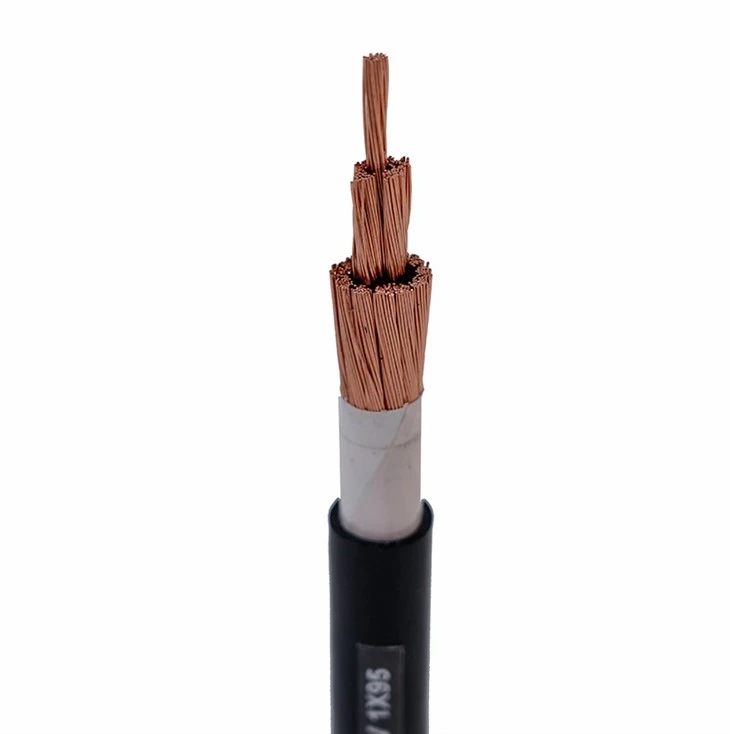
As a supplier of underground electrical wires, we offer a wide range of products that are designed with grounding in mind. For example, our 2.0 Awg Copper Underground Wire is constructed with high - quality copper conductors and a durable insulation material. The wire also includes a grounding conductor, which provides an effective path for fault current to flow in the event of an electrical fault.
Our 6/3 with Ground Direct Burial Wire is specifically designed for direct burial applications. It has a thick insulation layer and a grounding conductor that is integrated into the cable design. This wire is suitable for a variety of underground electrical installations, such as residential and commercial power distribution.
For customers who require underground electrical wires for high - ampacity applications, our Underground Electrical Wire for 100 Amp Service is an excellent choice. This wire is designed to handle large amounts of electrical current and is equipped with a robust grounding system to ensure safety and reliability.

6. Importance of Proper Installation and Maintenance
Proper installation and maintenance of the grounding system are crucial for its effectiveness in protecting underground electrical wires. During installation, the grounding conductor should be properly sized and connected to the electrical system and the ground electrode. The ground electrode should be installed in a location where it has good contact with the earth, such as in moist soil.
Regular maintenance of the grounding system is also necessary. Over time, the grounding conductor may corrode or become loose, which can reduce its effectiveness. Inspections should be carried out periodically to check the integrity of the grounding system, including the condition of the grounding conductor, the connection to the ground electrode, and the resistance of the grounding system.
7. Conclusion and Call to Action
In conclusion, grounding plays a vital role in protecting underground electrical wires. It provides protection against electrical faults, stabilizes voltage, prevents electrostatic discharge, and ensures the safety and reliability of electrical systems.
As a leading supplier of underground electrical wires, we are committed to providing high - quality products that are designed with the latest grounding technologies. Our products are tested and certified to meet industry standards, ensuring that they provide reliable performance in a variety of applications.
If you are in need of underground electrical wires for your project, we invite you to contact us for more information. Our team of experts can help you select the right products for your specific requirements and provide guidance on proper installation and maintenance. We look forward to the opportunity to work with you and contribute to the success of your electrical projects.
References
- National Electrical Code (NEC), various editions
- IEEE Standards for Electrical Safety in the Workplace
- UL Standards for Electrical Wires and Cables






