


Can armoured cable be used in automotive applications? This is a question that often arises in the automotive and electrical industries. As a supplier of armoured cables, I've encountered this query numerous times from clients, engineers, and automotive enthusiasts. In this blog, I'll delve into the technical aspects, advantages, limitations, and practical considerations of using armoured cables in automotive applications.
Understanding Armoured Cables
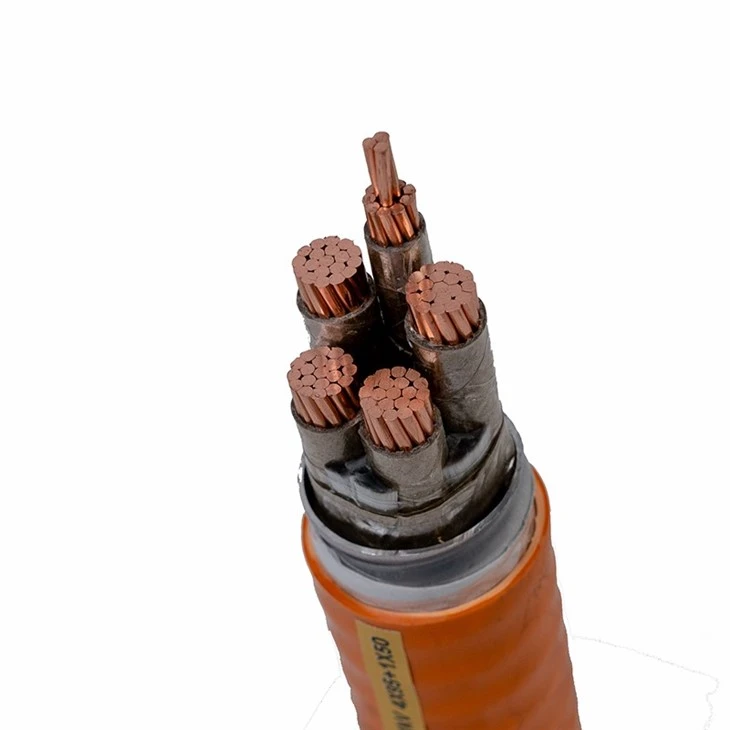
Armoured cables are designed with an additional layer of protection, typically made of steel wire or tape, surrounding the inner conductors and insulation. This armouring provides mechanical protection against physical damage, such as abrasion, impact, and crushing. It also offers some degree of protection against electromagnetic interference (EMI) and can enhance the cable's overall durability.
There are various types of armoured cables available in the market, each with its own set of features and applications. For example, the Yjv32 Power Electrical Cable Amourd is a popular choice for power transmission in industrial and commercial settings. It features a polyethylene insulation and a steel wire armour, providing excellent electrical performance and mechanical protection.

Technical Considerations for Automotive Use
When considering using armoured cables in automotive applications, several technical factors need to be taken into account.
Electrical Performance
Automotive electrical systems operate at relatively low voltages, typically 12V or 24V. Armoured cables are designed to handle a wide range of voltages, but their electrical performance needs to be carefully evaluated to ensure compatibility with the automotive electrical system. The cable's resistance, capacitance, and inductance can affect the efficiency and performance of the electrical system.
Mechanical Requirements
Automotive environments are harsh, with vibrations, temperature variations, and exposure to chemicals and moisture. Armoured cables need to be able to withstand these conditions without compromising their mechanical integrity. The armour should provide sufficient protection against abrasion, impact, and vibration, while the insulation should be resistant to chemicals and moisture.
Weight and Space Constraints
Automotive applications often have strict weight and space constraints. Armoured cables are generally heavier and bulkier than non-armoured cables, which can be a disadvantage in automotive applications. However, the additional protection provided by the armour may outweigh the weight and space considerations in some cases.
Advantages of Using Armoured Cables in Automotive Applications
Despite the technical challenges, there are several advantages to using armoured cables in automotive applications.
Enhanced Durability
The armour provides an extra layer of protection against physical damage, making the cable more durable and reliable. This is particularly important in automotive applications, where the cables are exposed to harsh environments and mechanical stress.
EMI Protection
Armoured cables can help reduce electromagnetic interference (EMI), which can affect the performance of sensitive electronic components in the automotive electrical system. This is especially important in modern vehicles, which rely heavily on electronic systems for control and communication.
Safety
The armour can provide additional protection against electrical hazards, such as short circuits and electrical fires. This can enhance the safety of the automotive electrical system and reduce the risk of accidents.
Limitations and Challenges
While armoured cables offer several advantages, there are also some limitations and challenges associated with their use in automotive applications.
Cost
Armoured cables are generally more expensive than non-armoured cables, which can increase the overall cost of the automotive electrical system. This can be a significant factor in cost-sensitive applications.
Installation Difficulty
The additional armour makes the cables more rigid and difficult to install, especially in tight spaces. This can increase the installation time and labor costs.
Compatibility Issues
The electrical and mechanical characteristics of armoured cables may not be compatible with all automotive electrical systems. Careful consideration needs to be given to ensure that the cable is suitable for the specific application.
Practical Considerations
When considering using armoured cables in automotive applications, it's important to take into account the specific requirements of the application. Here are some practical considerations:
Application Requirements
The type of application will determine the specific requirements for the cable. For example, a high-performance racing vehicle may require a cable with a high current-carrying capacity and excellent EMI protection, while a standard passenger vehicle may require a more cost-effective solution.
Environmental Conditions
The environmental conditions in which the vehicle operates will also affect the choice of cable. For example, a vehicle that operates in a harsh environment, such as a mining or construction site, may require a cable with a high level of mechanical protection and resistance to chemicals and moisture.
Compatibility with Existing Systems
The cable needs to be compatible with the existing electrical system in the vehicle. This includes the voltage, current, and connector requirements.
Conclusion
In conclusion, armoured cables can be used in automotive applications, but careful consideration needs to be given to the technical requirements, advantages, limitations, and practical considerations. While the additional protection provided by the armour can enhance the durability, reliability, and safety of the automotive electrical system, the cost, installation difficulty, and compatibility issues need to be carefully evaluated.
As an armoured cable supplier, I have a wide range of products to meet the diverse needs of automotive applications. For example, the 4 Core Low Voltage Power Cable is a suitable choice for power transmission in automotive electrical systems, while the Yjv32 3* 50mm Armoured Cable can provide excellent mechanical protection and EMI shielding.
If you're considering using armoured cables in your automotive application, I encourage you to contact me to discuss your specific requirements. I can provide you with expert advice and guidance on the selection, installation, and maintenance of armoured cables. Together, we can find the best solution for your automotive electrical system.
References
- "Electrical Wiring for Automotive Applications" - Society of Automotive Engineers (SAE)
- "Armoured Cables: Design, Installation, and Maintenance" - International Electrotechnical Commission (IEC)
- "Automotive Electrical Systems: Principles and Applications" - McGraw-Hill Education






