Installing PVC lighting control cables in a cable tray is a crucial task that requires careful planning and execution. As a leading supplier of PVC Lighting Control Cable, I've witnessed firsthand the importance of a well - installed cable system for efficient lighting control. In this blog, I'll guide you through the step - by - step process of installing PVC lighting control cables in a cable tray.
Step 1: Planning and Preparation
Before you start the installation, it's essential to have a detailed plan. First, assess the layout of the area where the cable tray will be installed. Determine the length and route of the cable tray, taking into account any obstacles such as walls, columns, or other equipment. You need to ensure that the cable tray has enough space to accommodate all the cables without overcrowding.
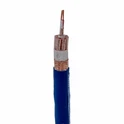
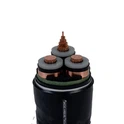
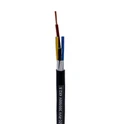
Next, gather all the necessary materials and tools. You'll need PVC lighting control cables, of course. Our Lighting Control Cable 2.5 Sy Cable is an excellent choice for many lighting control applications. It offers reliable performance and is designed to meet industry standards. Additionally, you'll need cable trays, cable ties, grounding conductors, and tools like cable cutters, wire strippers, and screwdrivers.


Step 2: Installing the Cable Tray
The cable tray installation is the foundation of a successful cable installation. Start by mounting the cable tray supports at regular intervals along the planned route. Make sure the supports are securely fastened to the ceiling, wall, or other structural elements. The spacing of the supports depends on the type and size of the cable tray, as well as the weight of the cables it will carry.
Once the supports are in place, install the cable tray sections. Connect the sections using the appropriate connectors and ensure that the joints are tight and secure. The cable tray should be level and straight to prevent cable damage during installation and operation. It's also important to provide proper access points and bends in the cable tray to allow for easy cable routing.
Step 3: Preparing the PVC Lighting Control Cables
Before installing the cables in the tray, you need to prepare them properly. First, measure the required length of each cable, allowing some extra length for connections and future maintenance. Use cable cutters to cut the cables to the correct length.
Next, strip the insulation from the ends of the cables using wire strippers. Be careful not to damage the conductors while stripping the insulation. The length of the stripped insulation depends on the type of connector you'll be using. For example, if you're using screw - type connectors, you'll need to strip about 1 - 2 inches of insulation.
Step 4: Installing the Cables in the Tray
Now it's time to install the PVC lighting control cables in the cable tray. Start by laying the cables in the tray, following the planned route. Make sure the cables are neatly arranged and not twisted or kinked. Use cable ties to secure the cables to the tray at regular intervals. This will prevent the cables from moving around and getting damaged.
When routing the cables, keep in mind the separation requirements. Different types of cables, such as power cables and control cables, should be separated to avoid interference. Our PVC Insulated Control Cable provides excellent insulation, which helps reduce the risk of interference.
Step 5: Making Connections
Once the cables are installed in the tray, it's time to make the connections. Connect the cables to the lighting control devices, such as switches, sensors, and control panels. Use the appropriate connectors and follow the manufacturer's instructions for making the connections.
For example, if you're connecting the cables to a control panel, you can use our Control Panel Wire. It's designed to provide reliable connections within the control panel. Make sure the connections are tight and secure to prevent loose connections, which can lead to electrical problems.
Step 6: Grounding
Proper grounding is essential for the safety and performance of the lighting control system. Install grounding conductors along the cable tray and connect them to the grounding system. The grounding conductors should be of the appropriate size and material to ensure effective grounding.
Connect the grounding conductors to the metal parts of the cable tray, as well as to the lighting control devices. This will help protect the system from electrical faults and ensure the safety of the users.
Step 7: Testing and Inspection
After the installation is complete, it's crucial to test and inspect the system. Use a multimeter to check the continuity of the cables and the proper functioning of the lighting control devices. Make sure there are no short circuits or open circuits in the system.
Inspect the cable tray and the cables for any signs of damage or improper installation. Check the cable ties to ensure they are secure, and the cables are not over - tightened. Any issues should be addressed immediately to prevent future problems.
Step 8: Maintenance
Regular maintenance is necessary to keep the PVC lighting control cable system in good working condition. Inspect the cables and the cable tray periodically for any signs of wear, damage, or corrosion. Replace any damaged cables or components as soon as possible.
Keep the cable tray clean and free of debris. This will prevent the accumulation of dust and dirt, which can affect the performance of the cables. Also, check the grounding system regularly to ensure it remains effective.
In conclusion, installing PVC lighting control cables in a cable tray requires careful planning, proper installation techniques, and regular maintenance. As a PVC Lighting Control Cable supplier, we're committed to providing high - quality products and technical support to help you with your cable installation projects. If you're interested in purchasing our PVC lighting control cables or have any questions about the installation process, we encourage you to contact us for a detailed discussion and procurement negotiation.
References
- National Electrical Code (NEC)
- Manufacturer's installation guides for cable trays and lighting control devices
- Industry standards for PVC insulated cables