When it comes to setting up a CCTV system, one of the crucial decisions is choosing the right wiring. As a supplier of Common House Wire, I often encounter inquiries from customers wondering if common house wire can be used for CCTV system wiring. In this blog, we'll explore the technical aspects, advantages, limitations, and whether it's a viable option for your CCTV installation.
Technical Specifications of Common House Wire
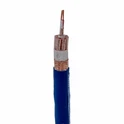
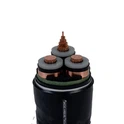
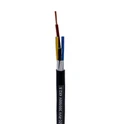
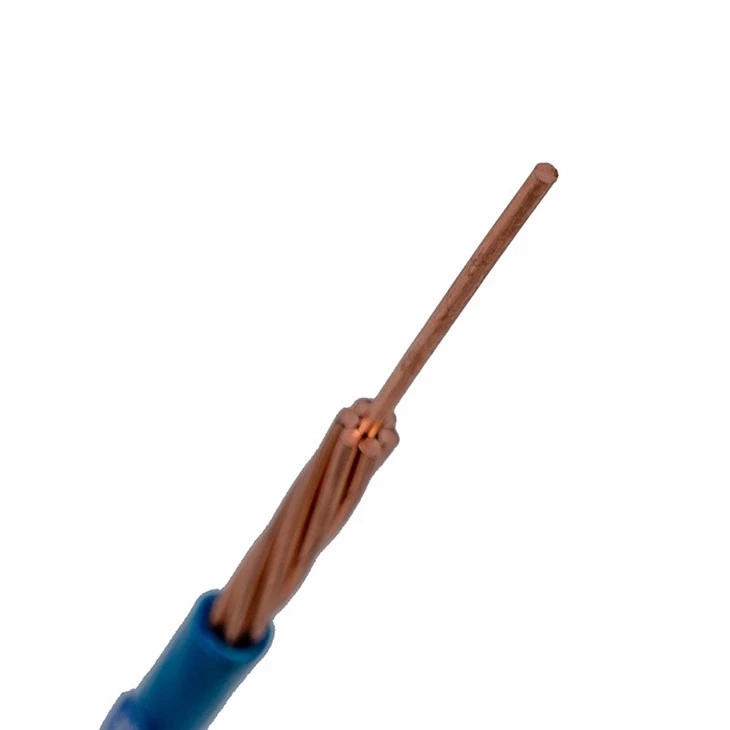
Common house wire is typically designed for general electrical use in residential buildings. It is mainly used to carry electrical power to various appliances and lighting fixtures. The most common types include Copper Core Polyethylene Insulated Cable and Household Insulated Wire. These wires usually have a copper conductor, which is known for its excellent electrical conductivity. The insulation material, such as polyethylene, provides protection against electrical shocks and short - circuits.
The gauge of common house wire can vary, with 14 - gauge and 12 - gauge being widely used in household electrical systems. A 14 - gauge wire can typically handle up to 15 amps of current, while a 12 - gauge wire can handle up to 20 amps. These wires are rated for a certain voltage, usually 120 volts or 240 volts in most residential settings.

Requirements of a CCTV System
A CCTV system consists of cameras, a recording device (such as a DVR or NVR), and a power supply. The wiring in a CCTV system serves two main purposes: transmitting video signals from the cameras to the recording device and providing power to the cameras.
Video signals in a CCTV system can be analog or digital. Analog CCTV systems use coaxial cables to transmit video signals, which are specifically designed to minimize signal loss over long distances. Digital CCTV systems, on the other hand, often use Ethernet cables to transfer data in the form of digital packets.
In addition to video signal transmission, power needs to be supplied to the cameras. Some cameras are powered directly through a power adapter, while others support Power over Ethernet (PoE), which allows both power and data to be transmitted over a single Ethernet cable.
Advantages of Using Common House Wire in a CCTV System
- Cost - effectiveness: Common house wire is generally less expensive than specialized CCTV cables. If you already have some common house wire on hand or can purchase it at a low cost, it can significantly reduce the overall cost of your CCTV system installation.
- Easy availability: You can easily find common house wire at local hardware stores or electrical supply shops. This makes it convenient for DIY installers who may not have access to specialized CCTV cables immediately.
- Familiarity: Many people are familiar with working with common house wire from previous electrical projects. This means that they may find it easier to install and troubleshoot compared to more complex CCTV cables.
Limitations of Using Common House Wire in a CCTV System
- Signal loss: Common house wire is not designed to transmit video signals. For analog CCTV systems, coaxial cables are engineered to maintain the integrity of the video signal over long distances. Using common house wire can result in significant signal loss, leading to poor - quality video images, such as blurry or distorted pictures. In digital CCTV systems, Ethernet cables are optimized for high - speed data transfer, and common house wire cannot provide the same level of performance.
- Power limitations: While common house wire can carry electrical power, it may not be suitable for powering multiple high - power CCTV cameras simultaneously. If the wire gauge is too small for the power requirements of the cameras, it can overheat, posing a fire hazard. Also, the voltage drop over long distances can be a problem, which may cause the cameras to malfunction.
- Interference: Common house wire is more susceptible to electromagnetic interference (EMI) compared to specialized CCTV cables. EMI can come from various sources, such as other electrical appliances or power lines. This interference can disrupt the video signal and cause artifacts or loss of data in the CCTV system.
When Common House Wire Can Be Used
- Short - distance and low - resolution systems: If you are setting up a small CCTV system with cameras located close to the recording device and the cameras have relatively low resolution, common house wire may be a viable option for power supply. For example, if you have a single camera in a small room and you just need basic monitoring, you can use common house wire to power the camera.
- Powering auxiliary devices: You can use common house wire to power auxiliary devices in a CCTV system, such as lights or fans near the cameras. These devices do not require the same level of signal integrity as the cameras themselves.
Best Practices if Using Common House Wire
- Gauge selection: Make sure to choose the appropriate wire gauge based on the power requirements of your cameras. Calculate the total power consumption of all the cameras and select a wire that can handle the load without overheating.
- Separate power and signal wiring: If you are using common house wire for power supply, keep it separate from the video signal cables to minimize interference. This can help maintain the quality of the video images.
- Proper grounding: Ensure that the common house wire is properly grounded to prevent electrical shocks and reduce the risk of damage to the CCTV system from electrical surges.
Conclusion
In conclusion, while common house wire has some advantages in terms of cost and availability, it has significant limitations when it comes to transmitting video signals in a CCTV system. It may be suitable for powering cameras in certain situations, especially for small - scale and short - distance installations. However, for high - quality and long - distance CCTV systems, it is recommended to use specialized CCTV cables for video signal transmission.
If you are still considering using common house wire for your CCTV system or have any questions about our Common House Wire products, we are here to help. Our team of experts can provide you with detailed technical advice and support to ensure that you make the right choice for your CCTV system installation. Whether you need assistance with wire selection, installation, or troubleshooting, feel free to reach out to us for a consultation. We look forward to working with you on your CCTV project.
References
- Electrical Wiring Handbook, various editions.
- CCTV System Installation Guide, industry - specific publications.