


Hey there! As a supplier of Common House Wire, I often get asked a bunch of questions about wiring, and one that pops up quite a bit is, "Can common house wire be used in a thermostat wiring?" Well, let's dive right into it and break this down.
First off, let's talk a bit about what common house wire is. Common house wire, as the name suggests, is the type of wire you'd typically find in your everyday household electrical systems. It's used for a wide range of applications, from powering lights to running appliances. You can check out more about it Common House Wire. This wire comes in different gauges, which basically means different thicknesses. Thicker wires can handle more electrical current, while thinner ones are used for lower - current applications.
Now, let's shift our focus to thermostats. A thermostat is a device that controls the temperature in your home by regulating your heating or cooling system. It's a crucial part of your home's comfort setup. Thermostat wiring is a bit more specialized compared to general house wiring. Thermostats usually operate on low - voltage systems, typically 24 volts. This is a lot lower than the 120 or 240 volts you'd find in your regular household electrical circuits.
So, can common house wire be used for thermostat wiring? The short answer is, it depends.
One of the main factors to consider is the gauge of the wire. For thermostat wiring, you usually need a relatively thin wire because the current flowing through the thermostat circuit is quite low. Common house wire often comes in gauges that are too thick for thermostat use. Using a wire that's too thick can be overkill and might not fit properly into the thermostat terminals. However, if you can find a thin - gauge common house wire, it could potentially work.
Another important aspect is insulation. Thermostat wiring needs to have proper insulation to prevent any short - circuits or interference. Household Insulated Wire is designed to protect the electrical current from external factors and to keep it flowing safely. When it comes to thermostats, the insulation should be able to withstand the low - voltage environment without breaking down or causing any issues. Some common house wires have insulation that's suitable for low - voltage applications, but you need to make sure it meets the requirements.
Let's also talk about the number of conductors. Thermostats typically require multiple conductors to control different functions of the heating and cooling system. For example, you might need a wire for the power supply, one for the fan control, and another for the temperature sensor. Common house wire may come with a different number of conductors than what you need for your thermostat. You have to ensure that the wire you choose has the right number of conductors to connect all the necessary components of your thermostat.
If you're thinking about using common house wire for thermostat wiring, here are some steps to follow:
- Check the voltage requirements of your thermostat. Make sure the wire can handle the low - voltage current.
- Measure the gauge of the wire. As mentioned earlier, a thin - gauge wire is usually better for thermostat applications.
- Inspect the insulation. Look for any signs of damage or if it's suitable for low - voltage use.
- Count the number of conductors. Ensure it matches the requirements of your thermostat.
Now, let's look at some of the alternatives to common house wire for thermostat wiring. One option is Copper Core Polyethylene Insulated Cable. This type of cable is specifically designed for low - voltage applications like thermostat wiring. It has the right gauge, proper insulation, and the correct number of conductors in most cases. It can be a more reliable choice, especially if you're not sure about using common house wire.

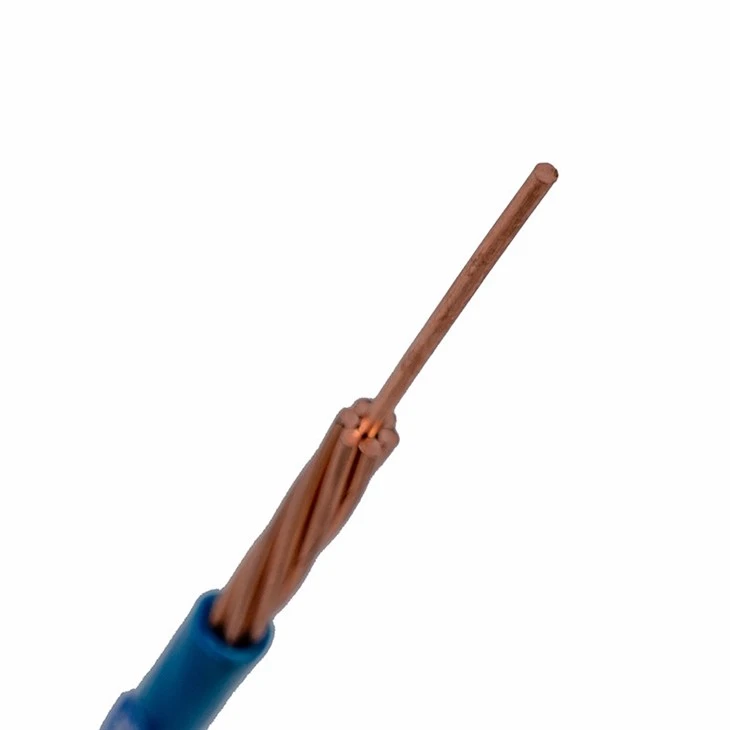
There are also some potential risks associated with using common house wire for thermostat wiring. If the wire isn't properly sized or insulated, it could lead to electrical problems. For example, a short - circuit could occur, which might damage your thermostat or even your heating and cooling system. It could also cause inaccurate temperature readings, leading to an uncomfortable living environment.
In conclusion, while it's possible to use common house wire for thermostat wiring, it's not always the best option. You need to carefully consider the gauge, insulation, and number of conductors. If you're not confident in your ability to make the right choice, it's always a good idea to consult a professional electrician.
As a supplier of Common House Wire, I can offer a wide range of options for your wiring needs. Whether you're looking for thin - gauge wire that might work for thermostat wiring or other types of common house wire for general household use, we've got you covered. If you're interested in learning more about our products or have any questions about wiring, feel free to reach out. We're here to help you make the right choice for your home's electrical systems.
References
- Electrical Wiring Handbook by Mike Holt
- Thermostat Installation and Troubleshooting Guide by HVAC Manufacturers Association






