


Hey there! As a supplier of Household Insulated Wire, I often get asked this question: “Can household insulated wire be used in a power strip?” Well, let's dig into this topic and find out.
First off, let's understand what household insulated wire is. Household insulated wire is designed for general electrical wiring in homes. It's used to connect electrical appliances, lights, and other devices to the power source. There are different types of household insulated wire, like the 300/500V PVC Insulated Cable. This type of cable is commonly used in residential electrical systems because of its good insulation properties and ability to handle a certain amount of electrical current.
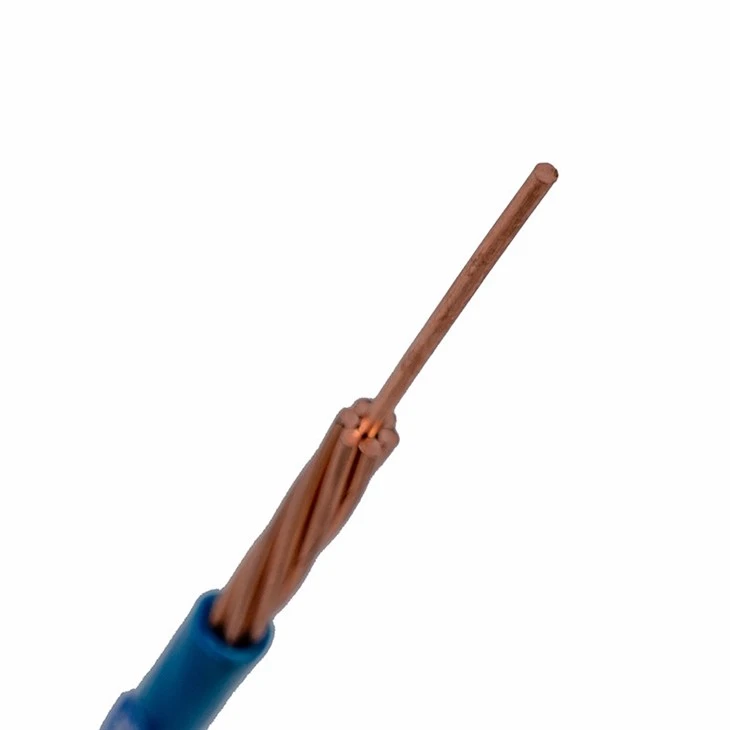
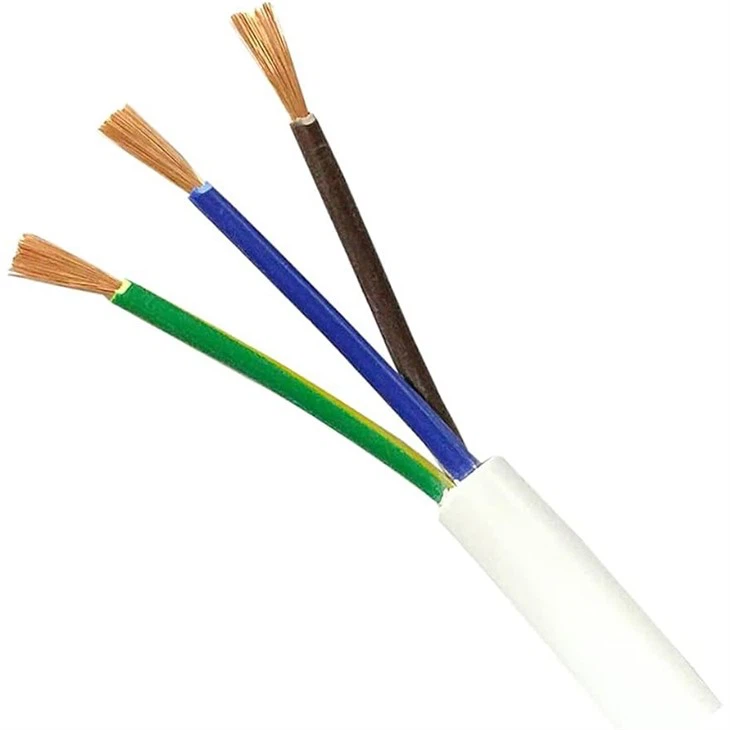
Another popular option is the Household Insulated Wire. It comes in various sizes and configurations to meet different electrical needs. For example, the 3 Core Household Wire is often used for applications where you need to carry multiple electrical signals or power different components.
Now, let's talk about power strips. A power strip is a device that allows you to plug in multiple electrical appliances into a single electrical outlet. It usually has a series of sockets and a cord that connects it to the wall outlet. Power strips are very convenient, especially in places where you have a lot of devices to power, like an office or a living room.
So, can household insulated wire be used in a power strip? The short answer is, it depends. There are a few factors to consider.
1. Current-carrying capacity
One of the most important things to look at is the current-carrying capacity of the wire. Every wire has a maximum amount of electrical current it can safely carry. If you exceed this limit, the wire can overheat, which can lead to a fire hazard. Power strips are designed to handle a certain amount of current, depending on their rating. For example, a typical power strip might be rated for 15 amps. You need to make sure that the household insulated wire you're using can handle at least this amount of current. If the wire has a lower current-carrying capacity than the power strip's rating, it's not a good idea to use it.
2. Insulation quality
The insulation on the wire is also crucial. Good insulation prevents electrical current from leaking out and coming into contact with other objects or people. Power strips are usually designed to work with wires that have a certain level of insulation quality. If the insulation on the household insulated wire is not up to par, it can pose a safety risk. For example, if the insulation is damaged or thin, it might not be able to prevent electrical shocks or short circuits.
3. Compatibility
The wire needs to be compatible with the power strip's connectors. Power strips usually have specific types of connectors, like plug prongs and terminals. The household insulated wire needs to be able to fit properly into these connectors and make a good electrical connection. If the wire is too thick or too thin, or if the connectors are not compatible, it can lead to poor electrical contact, which can cause overheating and other problems.
4. Safety standards
In many places, there are safety standards and regulations that govern the use of electrical wiring and devices. You need to make sure that the household insulated wire you're using meets these standards. Using non-compliant wire in a power strip can not only be dangerous but also illegal. For example, in the United States, the National Electrical Code (NEC) sets standards for electrical wiring and equipment. You should always check with your local electrical authority to make sure you're following the rules.
If you're thinking about using household insulated wire in a power strip, here are some steps you can take to ensure safety:
- Check the wire's specifications: Look at the wire's current-carrying capacity, insulation rating, and other specifications. Make sure they meet the requirements of the power strip.
- Inspect the wire: Check the wire for any signs of damage, like cuts, nicks, or frayed insulation. If the wire is damaged, don't use it.
- Test the connection: Before using the power strip with the new wire, test the electrical connection to make sure it's working properly. You can use a multimeter to check for continuity and proper voltage.
- Get professional help: If you're not sure about any aspect of using household insulated wire in a power strip, it's a good idea to consult a professional electrician. They can give you expert advice and make sure everything is installed safely.
In some cases, using household insulated wire in a power strip can be a viable option. For example, if you're making a custom power strip for a specific application and you have the right type of wire and the necessary skills to install it safely. However, in most cases, it's probably better to use the wire that comes with the power strip or a wire that is specifically designed for power strip applications.
As a supplier of Household Insulated Wire, I can offer you a wide range of high-quality wires that meet all the necessary safety standards. Our wires are made from the best materials and are tested to ensure reliable performance. If you're interested in learning more about our products or have any questions about using household insulated wire in a power strip, feel free to reach out. We're here to help you make the right choice for your electrical needs. Whether you're a DIY enthusiast or a professional electrician, we have the wire you need.
So, if you're in the market for household insulated wire, don't hesitate to contact us for a quote and to discuss your specific requirements. We can work with you to find the perfect wire for your project. Let's make your electrical systems safe and efficient together!
References
- National Electrical Code (NEC)
- Electrical safety guidelines from local electrical authorities
- Manufacturer's specifications for household insulated wire and power strips






