


As a reputable YJV cable supplier, I understand the critical importance of safety when it comes to using YJV cables. YJV cables are widely used in various electrical systems due to their excellent performance and reliability. However, to ensure their safe and efficient operation, it is essential to follow specific safety regulations. In this blog, I will outline the key safety regulations for using YJV cables.
Installation Safety
- Proper Handling: During the installation process, it is crucial to handle YJV cables with care. Avoid sharp bends or kinks that can damage the cable insulation. The minimum bending radius of YJV cables should be in accordance with the manufacturer's specifications. Generally, for multi - core cables, the bending radius should not be less than 15 times the outer diameter of the cable, and for single - core cables, it should not be less than 20 times the outer diameter. This helps to prevent internal damage to the conductors and insulation layers, which could lead to short - circuits or other electrical faults.
- Installation Environment: YJV cables should be installed in a suitable environment. They should be kept away from sources of heat, moisture, and corrosive substances. For example, in industrial settings, if the cables are installed near high - temperature equipment, proper insulation and heat - shielding measures should be taken. Moisture can cause insulation degradation over time, so in damp areas, the cables should be installed in waterproof conduits or trays. Corrosive chemicals can eat away at the cable insulation, so if the cables are in a chemical - rich environment, corrosion - resistant cables or protective coatings should be used.
- Cable Support: Adequate support for YJV cables is necessary during installation. Cables should be securely fastened to prevent sagging or movement. This can be achieved using cable trays, racks, or clamps. The spacing between supports should be determined based on the cable size and weight. For larger and heavier cables, the support spacing should be reduced to ensure that the cables are properly supported and do not experience excessive stress.
Electrical Safety
- Voltage Rating: It is of utmost importance to ensure that the YJV cable is used within its rated voltage. Using a cable with a lower voltage rating than the actual system voltage can lead to insulation breakdown and electrical arcing. Before installation, carefully check the voltage requirements of the electrical system and select the appropriate YJV cable with a suitable voltage rating. For example, if the system operates at 0.6/1kV, a YJV cable with a 0.6/1kV voltage rating should be used.
- Current - Carrying Capacity: The current - carrying capacity of the YJV cable must be considered. Overloading the cable with a current higher than its rated capacity can cause overheating, which can damage the insulation and reduce the cable's lifespan. Factors such as ambient temperature, cable installation method (e.g., in free air or buried underground), and the number of cables in a bundle can affect the current - carrying capacity. Calculate the expected current in the system accurately and choose a cable with a sufficient current - carrying capacity. You can refer to the cable manufacturer's technical data sheets or relevant electrical standards for current - carrying capacity calculations.
- Grounding: Proper grounding of YJV cables is essential for electrical safety. The cable sheath should be effectively grounded to provide a path for fault currents. This helps to protect personnel and equipment in case of a short - circuit or other electrical faults. Grounding conductors should be of appropriate size and connected securely to the grounding system. Regular inspections should be carried out to ensure that the grounding connections remain intact.
Maintenance and Inspection
- Regular Inspections: Periodic inspections of YJV cables are necessary to detect any signs of damage or deterioration. Inspect the cable insulation for cracks, abrasions, or signs of aging. Check the cable connections for tightness and signs of overheating, such as discoloration. In addition, examine the cable support structures to ensure they are still in good condition. For example, in outdoor installations, cables may be exposed to harsh weather conditions, so more frequent inspections may be required.
- Testing: Conduct electrical tests on YJV cables at regular intervals. Insulation resistance testing can be used to assess the condition of the cable insulation. A significant decrease in insulation resistance may indicate insulation damage. Other tests, such as partial discharge testing, can also be performed to detect early signs of insulation degradation. These tests should be carried out by qualified electrical technicians using appropriate testing equipment.
- Replacement: If any damage or significant deterioration is detected during inspections or testing, the damaged part of the cable should be replaced immediately. Do not attempt to repair a severely damaged cable, as this may not provide a reliable and safe solution. When replacing the cable, follow the same installation and safety procedures as for a new cable installation.
Storage Safety
- Proper Storage Conditions: When storing YJV cables, they should be kept in a dry, clean, and well - ventilated area. The storage temperature should be within the recommended range specified by the manufacturer. Extreme temperatures can affect the cable insulation and mechanical properties. Cables should be stored on reels or in suitable containers to prevent damage. Avoid storing cables in direct sunlight, as ultraviolet radiation can cause the insulation to degrade over time.
- Protection from Physical Damage: Protect the stored cables from physical damage. Do not stack heavy objects on top of the cable reels, as this can cause deformation of the cables. Also, prevent the cables from being scratched or punctured by sharp objects. If the cables are stored for an extended period, periodic checks should be carried out to ensure their condition remains good.
Product Recommendations
We offer a wide range of high - quality YJV cables, including Industrial Insulation YJV Cable, which is designed for industrial applications with excellent insulation properties. Our 16mm 4 Core Xlpe Cable is suitable for various electrical systems, providing reliable power transmission. And our 370+235 Xlpe Cable is a great choice for applications requiring higher current - carrying capacity.

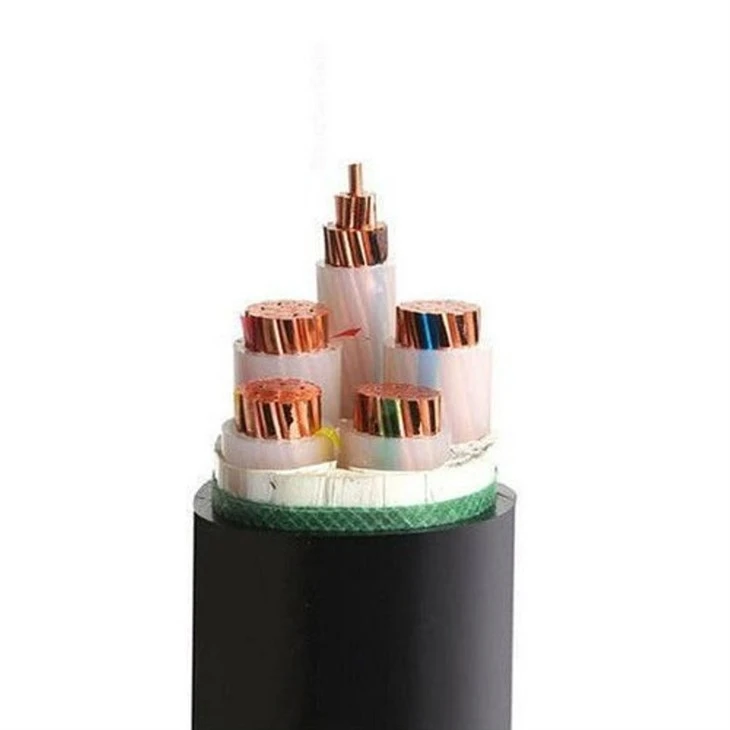
If you are in need of YJV cables for your electrical projects, we are here to provide you with the best products and services. Our team of experts can assist you in selecting the right cables based on your specific requirements and ensure that you follow all the necessary safety regulations. Contact us for more information and to start a procurement discussion.
References
- International Electrotechnical Commission (IEC) standards related to electrical cables.
- National Electrical Code (NEC) for electrical installation and safety guidelines.
- Manufacturer's technical data sheets for YJV cables.






