As a seasoned supplier of household wire, I often encounter a common question from customers: "Can I use aluminum household wire instead of copper?" This query is not only relevant but also crucial for anyone involved in electrical installations, whether it's a DIY enthusiast or a professional electrician. In this blog post, I'll delve into the technical aspects, advantages, and disadvantages of using aluminum versus copper household wires, and help you make an informed decision.
Technical Differences between Aluminum and Copper Wires
Let's start by understanding the fundamental technical differences between aluminum and copper wires. Copper is a highly conductive metal, which means it allows electricity to flow through it with minimal resistance. This property makes copper an excellent choice for electrical applications, as it reduces energy loss and heat generation. On the other hand, aluminum is also a good conductor, but its conductivity is about 61% of that of copper. This means that for the same amount of current, an aluminum wire needs to be larger in diameter than a copper wire to achieve the same level of performance.


Another important factor to consider is the tensile strength of the wires. Copper has a higher tensile strength than aluminum, which means it can withstand more mechanical stress without breaking. This makes copper wires more durable and less prone to damage during installation and use. Aluminum wires, on the other hand, are more flexible and lighter than copper wires, which can be an advantage in some applications.
Advantages of Using Aluminum Household Wire
One of the main advantages of using aluminum household wire is its cost. Aluminum is less expensive than copper, which makes it a more affordable option for large-scale electrical installations. This cost savings can be significant, especially for commercial and industrial projects. Additionally, aluminum is lighter than copper, which can reduce the overall weight of the electrical system and make it easier to install.
Another advantage of aluminum wire is its resistance to corrosion. Aluminum forms a thin oxide layer on its surface when exposed to air, which protects it from further corrosion. This makes aluminum wire a good choice for outdoor and wet environments, where copper wire may be more prone to corrosion.
Disadvantages of Using Aluminum Household Wire
Despite its advantages, there are also some disadvantages to using aluminum household wire. One of the main concerns is its higher resistance compared to copper. As mentioned earlier, aluminum has a lower conductivity than copper, which means it generates more heat when carrying the same amount of current. This can lead to overheating and potential fire hazards if the wire is not properly sized or installed.
Another issue with aluminum wire is its tendency to expand and contract with temperature changes. This can cause the wire to loosen over time, which can lead to poor connections and increased resistance. Poor connections can also cause arcing, which is a major fire hazard. To prevent these problems, special connectors and installation techniques are required when using aluminum wire.
When to Use Aluminum and When to Use Copper
So, when should you use aluminum household wire and when should you use copper? The answer depends on several factors, including the application, the budget, and the local electrical codes.
For most residential applications, copper wire is the preferred choice. Copper wire is more reliable, safer, and easier to install than aluminum wire. It is also the standard choice for most electrical codes. However, if you are on a tight budget or need to reduce the weight of the electrical system, aluminum wire may be a viable option. In this case, it is important to ensure that the wire is properly sized and installed using the appropriate connectors and techniques.
For commercial and industrial applications, the choice between aluminum and copper wire depends on the specific requirements of the project. Aluminum wire is often used in large-scale electrical installations, such as factories, warehouses, and office buildings, where cost savings and weight reduction are important considerations. However, copper wire is still the preferred choice for applications that require high reliability and safety, such as hospitals, schools, and data centers.
Our Product Offerings
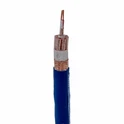
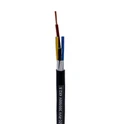
As a leading supplier of household wire, we offer a wide range of aluminum and copper wires to meet your needs. Our Electrical Wire for House Lights is designed specifically for lighting applications and is available in both aluminum and copper. Our 300/500V PVC Insulated Cable is suitable for a variety of indoor and outdoor applications, and our Copper Core Polyethylene Insulated Cable is ideal for high-performance electrical systems.
Conclusion
In conclusion, the decision to use aluminum or copper household wire depends on several factors, including the application, the budget, and the local electrical codes. While aluminum wire has some advantages, such as cost savings and weight reduction, it also has some disadvantages, such as higher resistance and potential fire hazards. Copper wire, on the other hand, is more reliable, safer, and easier to install, but it is also more expensive.
If you have any questions or need help choosing the right wire for your project, please don't hesitate to contact us. Our team of experts is always available to provide you with the information and support you need. We look forward to working with you and helping you find the perfect solution for your electrical needs.
References
- National Electrical Code (NEC)
- Underwriters Laboratories (UL) Standards
- Electrical Safety Foundation International (ESFI)