


Insulating underground electrical wires is a crucial process that requires careful consideration and proper techniques. As a supplier of underground electrical wire, I have seen firsthand the importance of ensuring that these wires are well - insulated to prevent electrical hazards, reduce energy loss, and extend the lifespan of the wiring system. In this blog, I will share some key steps and considerations on how to insulate underground electrical wire effectively.
Understanding the Basics of Underground Electrical Wire Insulation
Before we dive into the insulation process, it's essential to understand why insulation is necessary for underground electrical wires. Underground wires are exposed to a variety of environmental factors such as moisture, soil chemicals, and physical damage from digging or other construction activities. Without proper insulation, these factors can lead to short circuits, power outages, and even pose a significant safety risk.
Insulation materials for underground electrical wires are designed to protect the conductive core from these external elements. They provide a barrier that prevents moisture from seeping into the wire, resists chemical corrosion, and offers mechanical protection against abrasion and impact.
Selecting the Right Insulation Material
The choice of insulation material depends on several factors, including the type of wire, the voltage rating, the environmental conditions, and the local electrical codes. Here are some common insulation materials used for underground electrical wires:
- PVC (Polyvinyl Chloride): PVC is a popular insulation material due to its low cost, flexibility, and good resistance to moisture and chemicals. It is suitable for low - to medium - voltage applications and is commonly used in residential and commercial wiring.
- XLPE (Cross - linked Polyethylene): XLPE offers superior electrical properties and better resistance to heat and aging compared to PVC. It is often used in high - voltage underground cables, especially in industrial and utility applications.
- EPR (Ethylene Propylene Rubber): EPR has excellent electrical insulation properties, high flexibility, and good resistance to ozone and weathering. It is suitable for both indoor and outdoor applications, including underground wiring in harsh environments.
Preparing for the Insulation Process
Once you have selected the appropriate insulation material, it's time to prepare for the insulation process. Here are the steps you should follow:
- Inspect the Wire: Before applying insulation, carefully inspect the wire for any signs of damage, such as cuts, abrasions, or corrosion. If you find any damaged areas, repair or replace the wire as necessary.
- Clean the Wire: Use a clean, dry cloth to remove any dirt, dust, or debris from the surface of the wire. This will ensure that the insulation material adheres properly to the wire.
- Measure and Cut the Insulation Material: Measure the length of the wire that needs to be insulated and cut the insulation material accordingly. Make sure to leave some extra length to allow for proper overlapping and sealing.
Applying the Insulation
There are several methods for applying insulation to underground electrical wires, depending on the type of insulation material and the wire configuration. Here are some common techniques:
- Tape Wrapping: For smaller - gauge wires, tape wrapping is a simple and effective method. Use a high - quality electrical tape, such as PVC or rubber tape, to wrap the wire tightly. Start at one end of the wire and wrap the tape in a spiral pattern, overlapping each layer by about half of the tape width. Make sure to cover the entire length of the wire and seal the ends of the tape to prevent moisture from entering.
- Heat - Shrink Tubing: Heat - shrink tubing is a popular choice for insulating larger - gauge wires or for providing additional protection in areas where the wire is exposed to mechanical stress. Cut the heat - shrink tubing to the appropriate length and slide it over the wire. Use a heat gun to apply heat evenly to the tubing, causing it to shrink and conform tightly to the wire. Make sure to heat the tubing slowly and evenly to avoid overheating or melting.
- Molded Insulation: In some cases, molded insulation may be used for specific applications, such as insulating wire splices or terminations. Molded insulation is pre - formed to fit the shape of the wire or connection and is typically made of rubber or plastic. It is installed by placing the molded piece over the wire or connection and securing it in place using clips or adhesive.
Protecting the Insulated Wire
After applying the insulation, it's important to take additional steps to protect the insulated wire from damage. Here are some suggestions:
- Use a Conduit: A conduit is a protective tube that can be used to enclose the underground electrical wire. It provides an extra layer of protection against physical damage, moisture, and rodents. Choose a conduit material that is suitable for the underground environment, such as PVC, metal, or fiberglass.
- Bury the Wire at the Correct Depth: The depth at which the wire is buried is critical for its protection. Local electrical codes typically specify the minimum burial depth for underground electrical wires. Make sure to follow these guidelines to prevent the wire from being damaged by digging or other activities.
- Mark the Location of the Wire: To avoid accidentally damaging the underground wire during future construction or landscaping projects, mark the location of the wire using stakes, flags, or underground warning tape. This will help anyone working in the area to be aware of the wire's presence.
Our Product Offerings
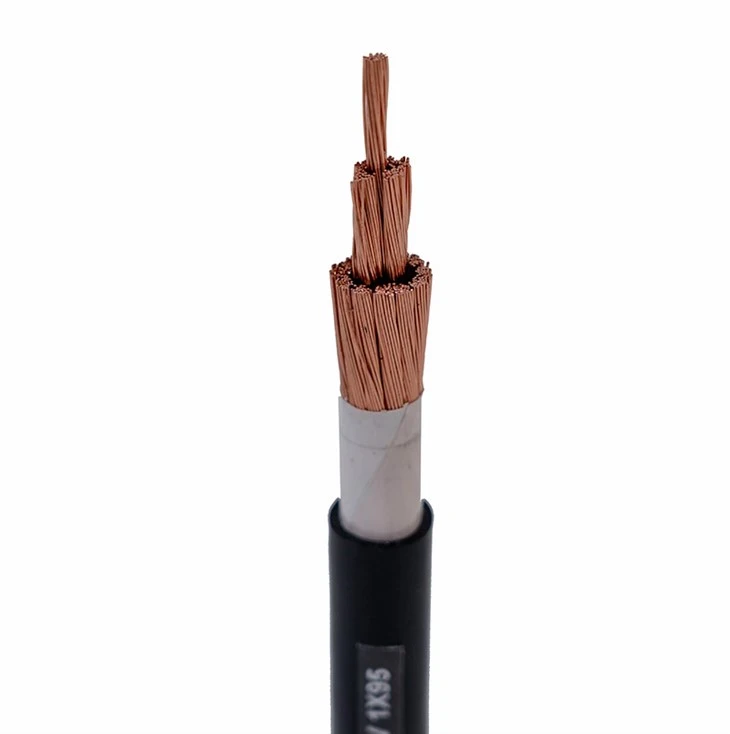
As a supplier of underground electrical wire, we offer a wide range of products to meet your insulation needs. Our 6/3 with Ground Direct Burial Wire is designed for direct burial applications and is available with high - quality insulation materials to ensure long - term performance. For those requiring higher ampacity, our Underground Electrical Wire for 100 Amp Service is a reliable choice. And if you need a more heavy - duty option, our 2.0 Awg Copper Underground Wire offers excellent conductivity and durability.

Contact Us for Your Insulation Needs
Insulating underground electrical wire is a complex but essential task. If you have any questions or need assistance with selecting the right insulation material or products for your project, please don't hesitate to contact us. We have a team of experts who can provide you with professional advice and guidance. Whether you are a contractor, an electrician, or a DIY enthusiast, we are here to help you ensure the safety and reliability of your underground electrical wiring system.
References
- National Electrical Code (NEC)
- IEEE Standards for Underground Electrical Cables
- Manufacturer's Specifications for Insulation Materials


