Hey there! I'm a supplier of underground electrical wire, and I've gotten a ton of questions about protecting these wires from lightning strikes. It's a crucial topic, especially considering how damaging lightning can be to electrical systems. So, let's dive right in and explore some effective ways to safeguard underground electrical wires.
First off, let's understand why lightning is such a big deal for underground wires. Lightning is an incredibly powerful natural phenomenon. When it strikes, it releases a massive amount of electrical energy. This energy can travel through the ground and reach underground electrical wires. Once it hits the wires, it can cause all sorts of problems, like overheating, insulation damage, and even complete wire failure. This not only disrupts the electrical supply but can also pose a serious safety hazard.
One of the most basic yet effective ways to protect underground electrical wires is proper grounding. Grounding provides a safe path for the electrical energy from a lightning strike to dissipate into the ground. When lightning hits, instead of traveling through the wires and causing damage, it can flow through the grounding system. A good grounding system typically consists of grounding rods, which are metal rods driven deep into the ground. These rods are connected to the electrical system, including the underground wires. The deeper the rods are driven, the better the grounding. Usually, grounding rods should be at least 8 feet deep.
Another important aspect of grounding is using high - quality grounding materials. Copper is a popular choice because it has excellent electrical conductivity. For example, our 2.0 Awg Copper Underground Wire is made of high - grade copper, which not only conducts electricity well but also helps in grounding. When installing the grounding system, make sure all connections are tight and secure. Loose connections can increase resistance, which defeats the purpose of grounding.
Surge protectors are also a must - have for protecting underground electrical wires. A surge protector acts as a barrier between the electrical wires and the excessive voltage from a lightning strike. It diverts the excess voltage to the ground, preventing it from reaching the wires. There are different types of surge protectors available, and you need to choose the one that suits your specific electrical system. For residential applications, a simple plug - in surge protector might be sufficient. But for commercial or industrial setups, more advanced whole - house or whole - building surge protectors are required.

When installing surge protectors, place them as close to the electrical entry point as possible. This way, they can intercept the surge before it travels too far into the electrical system. Also, make sure to regularly test your surge protectors to ensure they are working properly. Most surge protectors have an indicator light that shows if they are functioning correctly.
Proper installation of underground electrical wires is crucial for lightning protection. The wires should be buried deep enough to reduce the risk of being affected by a lightning strike. A general rule of thumb is to bury the wires at least 18 inches deep. This depth provides some protection from the electrical energy that travels through the ground during a lightning strike.
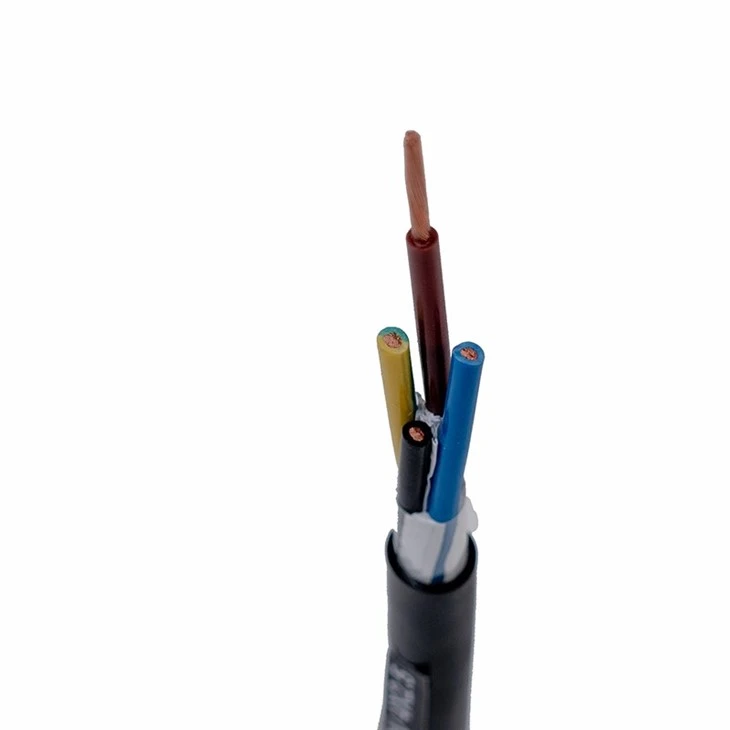
In addition to depth, the type of wire you use also matters. Our 6/3 with Ground Direct Burial Wire is specifically designed for direct burial. It has a thick insulation layer that can withstand the harsh underground environment and provides some protection against electrical surges. When installing the wire, avoid sharp bends or kinks, as these can weaken the wire and make it more susceptible to damage.
Shielding is another technique that can be used to protect underground electrical wires. A shield is a layer of conductive material that surrounds the wire. It acts as a Faraday cage, which means it can block or reduce the electromagnetic field generated by a lightning strike. There are different types of shielding materials available, such as metal foil or braided wire.
When using shielding, make sure it is properly grounded. If the shield is not grounded, it can actually act as an antenna and attract the electrical energy from a lightning strike. So, connect the shield to the grounding system to ensure its effectiveness.
Now, let's talk about maintenance. Regular maintenance is essential for keeping your underground electrical wires protected from lightning strikes. Inspect the wires periodically for any signs of damage, such as cracks in the insulation or exposed conductors. If you notice any damage, replace the affected section of the wire immediately.
Check the grounding system regularly as well. Make sure the grounding rods are still firmly in the ground and the connections are intact. Over time, the ground can shift, and the rods may become loose. Also, test the surge protectors to ensure they are still functioning.
In some cases, you may also want to consider using lightning rods on the buildings or structures that are connected to the underground electrical wires. Lightning rods are installed on the roof of a building and provide a preferential path for lightning to strike. They are connected to a grounding system, which safely diverts the electrical energy to the ground. This can reduce the risk of lightning hitting the ground near the underground wires.
When installing lightning rods, make sure they are installed according to the manufacturer's instructions. The height and placement of the lightning rods are crucial for their effectiveness. A professional electrician can help you determine the best location and installation method for lightning rods.
In conclusion, protecting underground electrical wires from lightning strikes requires a combination of proper grounding, surge protection, correct installation, shielding, and regular maintenance. By following these steps, you can significantly reduce the risk of damage to your electrical system and ensure a safe and reliable power supply.
If you're in the market for high - quality underground electrical wires or need more advice on lightning protection, feel free to reach out. We're here to help you make the right choices for your electrical needs. Whether you're a homeowner, a business owner, or an electrician, we have the products and expertise to meet your requirements.
References
- National Electrical Code (NEC)
- Lightning Protection Institute Guidelines
- Electrical Engineering Textbooks on Power Systems and Surge Protection