Hey there! As a supplier of Household Insulated Wire, I often get asked about how to connect household insulated wire to electrical appliances. It's a crucial skill for anyone looking to do some basic home electrical work or just understand how things work around the house. So, let's dive right in and break it down step by step.
Understanding the Basics
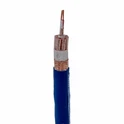
First off, it's important to know what household insulated wire is. Simply put, it's a wire that has a protective layer of insulation around it. This insulation is there to prevent electrical shocks and short - circuits. We offer a variety of these wires, like the Copper Core Polyethylene Insulated Cable, which is known for its excellent conductivity and durability.
Before you start connecting any wires, you need to make sure you've got the right tools. You'll need a wire stripper, which is used to remove the insulation from the end of the wire. A pair of pliers can also come in handy for bending and twisting the wires. And of course, a voltage tester is essential to check if the power is off before you start working. Safety first, folks!
Preparing the Wire
The first step in connecting the wire to an electrical appliance is to prepare the wire itself. Start by turning off the power at the circuit breaker. This is a must - do to avoid getting electrocuted. Once the power is off, measure the length of wire you need and cut it using a sharp pair of wire cutters.
Next, use the wire stripper to remove about half an inch to an inch of insulation from the end of the wire. Be careful not to nick the copper conductor inside. If you do, it can weaken the wire and cause problems later on. You can adjust the wire stripper to the correct gauge of your wire for a clean cut.
Connecting to the Appliance
Now that your wire is ready, it's time to connect it to the electrical appliance. Most appliances have terminals where you can attach the wires. These terminals are usually labeled with letters like "L" for live, "N" for neutral, and "E" for earth (or ground).
For the live and neutral wires, you'll typically find screw - down terminals. Loosen the screw on the terminal, insert the exposed end of the wire, and then tighten the screw to secure it. Make sure the wire is firmly held in place. If the connection is loose, it can lead to overheating and potentially start a fire.
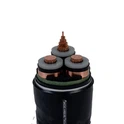
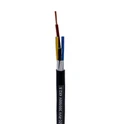
If you're working with a 3 Core Household Wire, which includes a ground wire, the process is a bit different for the ground connection. The ground terminal is often green or green with a yellow stripe. Connect the ground wire to this terminal in the same way, by loosening the screw, inserting the wire, and tightening it up.
Testing the Connection
Once you've connected the wires to the appliance, it's time to test the connection. Before you turn the power back on, double - check all your connections to make sure they're secure and there are no loose wires. Then, use a voltage tester to confirm that the power is still off at the circuit breaker.
After that, turn the power back on at the circuit breaker. Use the voltage tester again to check if there's power at the appliance. If everything is working correctly, the appliance should turn on without any issues. If it doesn't, turn off the power again and go back to check your connections.
Troubleshooting
Sometimes, things don't go as smoothly as we'd like. If you're having problems with the connection, there are a few things you can check. First, make sure the wires are connected to the correct terminals. Mixing up the live and neutral wires can cause the appliance to malfunction or even be dangerous.
If the appliance still isn't working, check for any loose connections. A loose wire can prevent the flow of electricity and cause the appliance to stop working. You can also check for any signs of damage to the wire or the appliance itself. If you see any burnt or frayed wires, it's best to replace them.
Safety Tips
I can't stress enough how important safety is when working with electrical wires. Always wear insulated gloves and safety glasses to protect yourself. And remember, if you're not comfortable doing the work yourself, it's better to call a professional electrician.
Another important safety tip is to avoid overloading the circuit. Each circuit in your house has a maximum amperage that it can handle. If you connect too many appliances to one circuit, it can cause the circuit breaker to trip or even start a fire. Make sure you know the amperage rating of your appliances and distribute them evenly across different circuits.
Different Types of Connections
There are different types of connections you might encounter when working with household insulated wire. For example, some appliances use quick - connect terminals, which are designed to make the connection faster and easier. These terminals usually have a spring - loaded mechanism that grips the wire when you insert it.


In other cases, you might need to use wire nuts to connect multiple wires together. Wire nuts are small plastic caps that twist onto the exposed ends of the wires, creating a secure connection. They're commonly used when splicing wires together.
Maintenance
Once you've connected the wire to the appliance, it's important to maintain the connection over time. Check the connections periodically for any signs of wear or damage. If you notice any loose wires or corrosion on the terminals, it's a good idea to tighten the connections or clean the terminals.
You should also keep an eye on the wire itself. If you see any signs of fraying or cracking in the insulation, it's time to replace the wire. Damaged insulation can expose the conductor and increase the risk of electrical shock.
Conclusion
Connecting household insulated wire to electrical appliances isn't rocket science, but it does require some knowledge and the right tools. By following the steps I've outlined here, you can do it safely and effectively. Remember, safety is the top priority, so always turn off the power before you start working.
If you're in the market for high - quality household insulated wire, look no further. As a supplier, we offer a wide range of wires to meet your needs. Whether you need a Copper Core Polyethylene Insulated Cable or a 3 Core Household Wire, we've got you covered.
If you have any questions or are interested in purchasing our products, feel free to reach out. We're here to help you with all your electrical wire needs. Let's get your home wired up safely and efficiently!
References
- Electrical Wiring Handbook, various editions
- National Electrical Code (NEC) standards