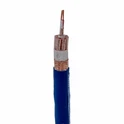
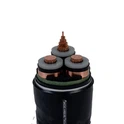
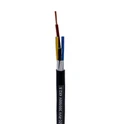
As a supplier of Mains Armoured Cable, I understand the importance of ensuring the quality and safety of our products. One crucial aspect of this is measuring the insulation resistance of the cables. In this blog post, I will guide you through the process of measuring the insulation resistance of Mains Armoured Cable, providing you with the necessary knowledge to maintain the integrity of your electrical systems.
Understanding Insulation Resistance
Insulation resistance is a measure of the ability of the cable's insulation material to resist the flow of electric current. A high insulation resistance indicates good insulation, which is essential for preventing electrical leakage, short circuits, and other potential hazards. Over time, insulation can degrade due to factors such as aging, environmental conditions, and mechanical stress. Regularly measuring the insulation resistance helps to detect any early signs of insulation breakdown, allowing for timely maintenance or replacement of the cable.
Equipment Required
Before you begin measuring the insulation resistance of Mains Armoured Cable, you will need the following equipment:
- Insulation Resistance Tester: Also known as a megohmmeter or megger, this device is specifically designed to measure high resistance values. It typically applies a DC voltage to the cable and measures the resulting current to calculate the insulation resistance.
- Safety Equipment: This includes insulated gloves, safety glasses, and appropriate personal protective equipment (PPE) to ensure your safety during the testing process.
- Testing Leads: These are used to connect the insulation resistance tester to the cable. Make sure the leads are in good condition and have appropriate insulation.
Preparing for the Test
Before conducting the insulation resistance test, it is important to take the following precautions:
- Isolate the Cable: Ensure that the cable is completely de-energized and disconnected from all power sources. This includes turning off circuit breakers, removing fuses, and tagging the equipment to prevent accidental re-energization.
- Discharge the Cable: If the cable has been previously energized, it may store electrical charge. Use a suitable discharge tool to safely discharge the cable before testing.
- Clean the Cable Terminals: Remove any dirt, moisture, or contaminants from the cable terminals to ensure accurate test results.
Conducting the Test
Once you have prepared the cable and the testing equipment, you can proceed with the insulation resistance test. Follow these steps:
- Connect the Testing Leads: Connect one lead of the insulation resistance tester to the conductor of the cable and the other lead to the armor or earth connection. Make sure the connections are secure and free from any loose or damaged wires.
- Select the Appropriate Test Voltage: Refer to the manufacturer's instructions or industry standards to determine the appropriate test voltage for the cable. Typically, a test voltage of 500V or 1000V DC is used for low-voltage cables, while higher voltages may be required for medium-voltage or high-voltage cables.
- Apply the Test Voltage: Turn on the insulation resistance tester and apply the selected test voltage to the cable. The tester will measure the current flowing through the insulation and calculate the insulation resistance.
- Record the Test Results: Allow the tester to stabilize for a few seconds and then record the insulation resistance value. Make sure to note the test voltage, the temperature, and the time of the test.
- Repeat the Test: To ensure accuracy, repeat the test at least two more times and calculate the average insulation resistance value.
Interpreting the Test Results
The insulation resistance value obtained from the test indicates the condition of the cable's insulation. A high insulation resistance value (in the order of megohms) indicates good insulation, while a low value (in the order of kilohms or less) may indicate insulation breakdown or damage. However, it is important to note that the acceptable insulation resistance value may vary depending on factors such as the cable type, voltage rating, and environmental conditions.
As a general guideline, the insulation resistance of a new cable should be at least 10 megohms. If the measured insulation resistance value is below this threshold, further investigation is required to determine the cause of the problem. This may involve conducting additional tests, such as a visual inspection of the cable, checking for moisture ingress, or performing a dielectric withstand test.
Maintenance and Troubleshooting
Regularly measuring the insulation resistance of Mains Armoured Cable is an important part of preventive maintenance. By detecting early signs of insulation breakdown, you can take proactive measures to prevent electrical failures and ensure the safety and reliability of your electrical systems.
If you encounter a low insulation resistance value during the test, here are some troubleshooting steps you can take:
- Check for Moisture Ingress: Moisture is one of the most common causes of insulation breakdown. Inspect the cable for any signs of water damage, such as wetness or corrosion. If moisture is detected, dry the cable thoroughly and repeat the insulation resistance test.
- Inspect the Cable for Physical Damage: Look for any visible signs of damage to the cable, such as cuts, abrasions, or cracks. If damage is found, repair or replace the damaged section of the cable.
- Check the Cable Terminations: Loose or damaged cable terminations can also cause low insulation resistance. Make sure the terminations are properly tightened and free from any loose or damaged wires.
- Consider Environmental Factors: Environmental conditions, such as high humidity or temperature, can affect the insulation resistance of the cable. If the test is conducted in adverse conditions, repeat the test when the conditions are more favorable.
Conclusion
Measuring the insulation resistance of Mains Armoured Cable is a crucial step in ensuring the safety and reliability of your electrical systems. By following the proper testing procedures and interpreting the test results accurately, you can detect early signs of insulation breakdown and take proactive measures to prevent electrical failures.
As a supplier of Mains Armoured Cable, we are committed to providing high-quality products and technical support to our customers. If you have any questions or need further assistance with measuring the insulation resistance of our cables, please do not hesitate to contact us. We are here to help you ensure the safety and performance of your electrical installations.
In addition to our standard Mains Armoured Cable, we also offer a wide range of other products, including Yjv32 3* 50mm Armoured Cable and Armoured 3 Core Power Cable. Our experienced team can help you select the right cable for your specific application and provide you with customized solutions to meet your requirements.


If you are interested in purchasing our products or discussing your project requirements, please contact us to start a procurement negotiation. We look forward to working with you to provide the best electrical cable solutions for your needs.
References
- Electrical Installation IET Wiring Regulations, 18th Edition
- International Electrotechnical Commission (IEC) Standards
- Manufacturer's Instructions for Insulation Resistance Testers and Mains Armoured Cables