Conductivity is a fundamental property when it comes to electrical wires, especially 3 Core Household Wire. As a supplier of 3 Core Household Wire, I've had numerous inquiries about the conductivity of this product. In this blog, I'll delve into the concept of conductivity, explain what affects the conductivity of 3 Core Household Wire, and discuss its practical implications in household electrical systems.
Understanding Conductivity
Conductivity, often denoted by the symbol σ (sigma), is a measure of a material's ability to conduct an electric current. It is the reciprocal of resistivity (ρ), which is a measure of how strongly a material opposes the flow of electric current. The SI unit of conductivity is siemens per meter (S/m).
In the context of electrical wires, high conductivity is desirable because it means less energy is lost as heat when an electric current flows through the wire. This is important for both efficiency and safety reasons. A wire with low conductivity will heat up more, which can lead to energy waste and potentially pose a fire hazard.
Factors Affecting the Conductivity of 3 Core Household Wire
Material
The most common materials used for the conductive cores in 3 Core Household Wire are copper and aluminum. Copper is known for its excellent conductivity, with a conductivity of approximately 5.96 × 10⁷ S/m at 20°C. Aluminum, on the other hand, has a conductivity of about 3.77 × 10⁷ S/m at the same temperature. While aluminum is less conductive than copper, it is lighter and less expensive, which makes it a popular choice in some applications.
Cross - sectional Area
The cross - sectional area of the wire also plays a significant role in its conductivity. According to Ohm's law and the formula for resistance (R = ρL/A, where R is resistance, ρ is resistivity, L is the length of the wire, and A is the cross - sectional area), a larger cross - sectional area results in lower resistance and higher conductivity. In 3 Core Household Wire, the size of the individual cores can vary, and larger cores are generally used for applications that require higher current - carrying capacity.
Temperature
Temperature has an impact on the conductivity of electrical wires. For most metals, including copper and aluminum, conductivity decreases as temperature increases. This is because as the temperature rises, the atoms in the metal vibrate more vigorously, which makes it more difficult for the electrons to flow through the material. In household applications, it's important to consider the operating temperature of the wire to ensure that it can maintain an acceptable level of conductivity.
Conductivity in 3 Core Household Wire Applications
Power Distribution
In a typical household electrical system, 3 Core Household Wire is used for power distribution. One core is used for the live (phase) wire, one for the neutral wire, and one for the earth (ground) wire. The conductivity of these wires is crucial for ensuring that electrical appliances receive the correct amount of power. A wire with low conductivity can cause voltage drops, which can lead to appliances not functioning properly or even getting damaged.
For example, if you have a high - power appliance like an electric oven, it requires a significant amount of current to operate. Using a 3 Core Household Wire with high conductivity ensures that the oven can draw the necessary current without excessive voltage drops.
Safety
Good conductivity is also essential for safety reasons. The earth wire in a 3 Core Household Wire is designed to provide a low - resistance path for electrical current in the event of a fault. In case of a short - circuit or other electrical malfunction, the earth wire allows the current to flow safely to the ground, preventing electric shocks and reducing the risk of fire. A wire with high conductivity ensures that the earth wire can perform its function effectively.
Comparing Different Types of 3 Core Household Wire
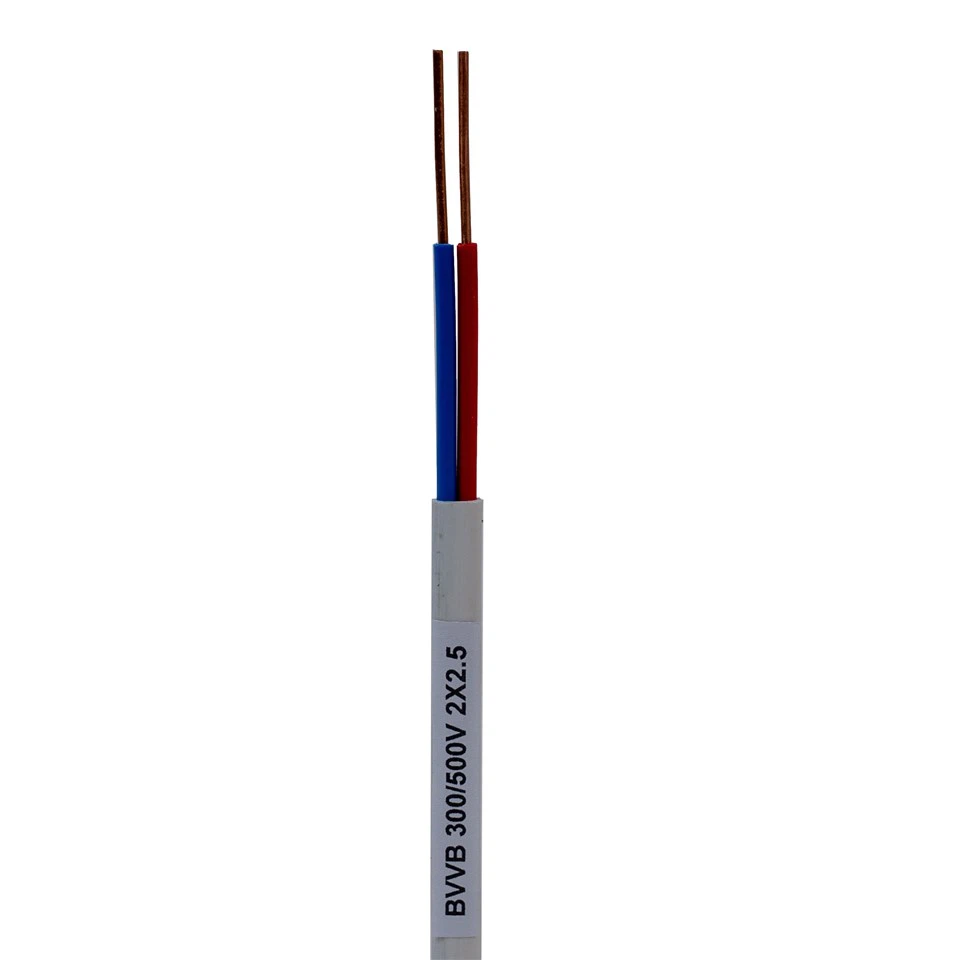
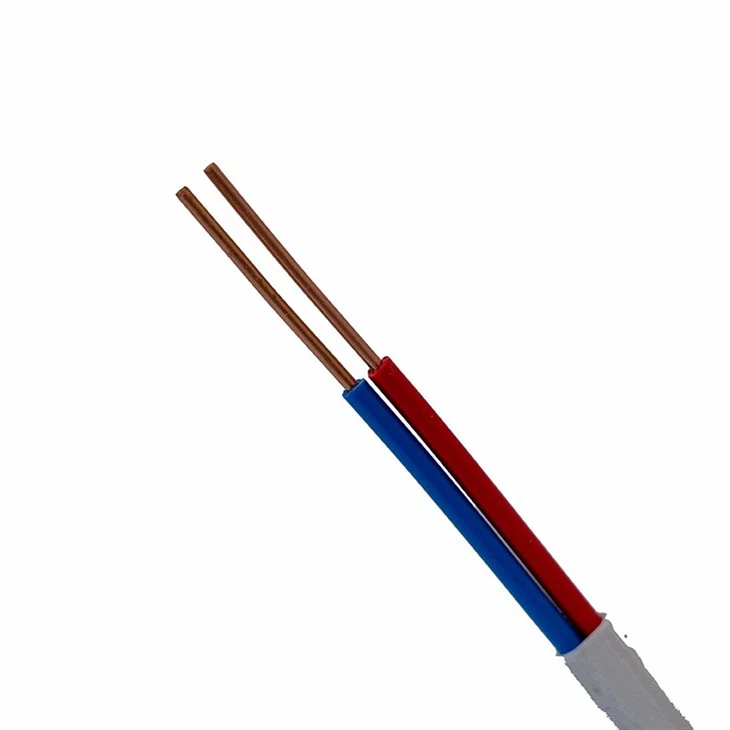
There are various types of 3 Core Household Wire available in the market, each with its own characteristics. You can learn more about Common House Wire, which includes different configurations and materials. Household Insulated Wire is another option, where the insulation provides protection against electrical shocks and environmental factors.
300/500V PVC Insulated Cable is a popular choice for many household applications. The PVC insulation not only provides electrical insulation but also offers mechanical protection and resistance to moisture and chemicals. The conductivity of these cables depends on the material of the conductive cores and their cross - sectional area, as discussed earlier.
Importance of Choosing the Right 3 Core Household Wire
When it comes to choosing 3 Core Household Wire for your electrical installation, conductivity is just one of the factors to consider. You also need to think about the insulation material, the current - carrying capacity, and the overall quality of the wire.
A high - quality 3 Core Household Wire with good conductivity can save you money in the long run by reducing energy losses and minimizing the risk of electrical problems. It also ensures the safety and reliability of your household electrical system.
Conclusion
In conclusion, the conductivity of 3 Core Household Wire is a critical factor that affects its performance in power distribution and safety in household electrical systems. Understanding the factors that influence conductivity, such as material, cross - sectional area, and temperature, can help you make an informed decision when choosing the right wire for your needs.
As a supplier of 3 Core Household Wire, I'm committed to providing high - quality products with excellent conductivity. If you're in the process of planning an electrical installation or need to replace existing wiring in your home, I encourage you to get in touch with me. I can offer professional advice and help you select the most suitable 3 Core Household Wire for your specific requirements. Whether you need a wire for a small residential project or a large - scale renovation, I'm here to assist you. Let's start a conversation about your electrical wiring needs and find the perfect solution together.
References
- Halliday, D., Resnick, R., & Walker, J. (2014). Fundamentals of Physics. Wiley.
- Grob, B. (2007). Basic Electronics. McGraw - Hill.