Hey there! As a supplier of common house wire, I've seen my fair share of issues with overheating wires. It's a serious problem that can lead to fires and other hazards in your home. In this blog post, I'm gonna share some tips on how to prevent overheating of common house wire.
Understanding the Causes of Overheating
First off, it's important to know what causes house wires to overheat. There are a few common culprits:
Overloading Circuits
One of the most common reasons for wire overheating is overloading circuits. When you plug too many devices into a single outlet or circuit, it can cause the wire to carry more current than it's designed for. This extra current generates heat, and if it gets too hot, it can damage the insulation and start a fire.
For example, if you have a power strip with multiple high - wattage appliances plugged into it, like a microwave, a toaster, and a hair dryer, all running at the same time, you're likely overloading the circuit.

Poor Wire Connections
Loose or corroded wire connections can also lead to overheating. When the connection between wires is loose, there's increased resistance at the connection point. According to Ohm's law (V = IR, where V is voltage, I is current, and R is resistance), when resistance increases, the heat generated (H = I²Rt, where H is heat, t is time) also goes up. Corroded connections can have the same effect.
Inadequate Wire Gauge
Using the wrong wire gauge for a particular application can cause overheating. A wire gauge refers to the thickness of the wire. Thinner wires (higher gauge numbers) have more resistance and can't carry as much current as thicker wires (lower gauge numbers). If you use a wire with too high a gauge for a high - current appliance, it will overheat.
Tips to Prevent Overheating
Use the Right Wire Gauge
Make sure you're using the correct wire gauge for your electrical needs. For general household lighting, you can usually use a 14 - gauge wire. However, for appliances that draw more power, like electric stoves or air conditioners, you'll need a thicker 10 - or 12 - gauge wire. You can find a wide range of Electrical Wire for House Lights in different gauges that are suitable for various lighting applications.
Avoid Overloading Circuits
Be mindful of how many devices you're plugging into each circuit. Don't use multiple power strips daisy - chained together, as this can easily lead to overloading. If you need to use multiple appliances, try to spread them out across different circuits. And always check the wattage of your appliances before plugging them in.
Check and Maintain Wire Connections
Regularly inspect your wire connections for any signs of looseness or corrosion. If you notice a loose connection, turn off the power to the circuit and tighten the connection. For corroded connections, you may need to clean or replace the affected parts. You can also use anti - corrosion sprays to prevent future corrosion.
Upgrade Your Electrical System
If your home has an older electrical system, it may be a good idea to consider an upgrade. Older systems may not be able to handle the increased electrical demands of modern appliances. Upgrading to a newer system with proper wiring and circuit breakers can help prevent overheating.
Use Quality Wires
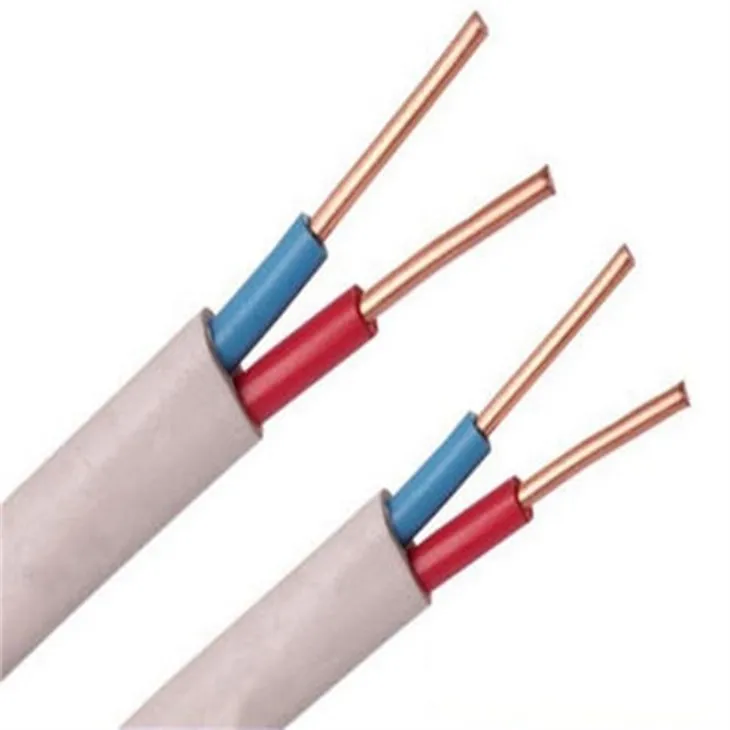
Invest in high - quality wires. Our Copper Core Polyethylene Insulated Cable is a great choice for many household applications. Copper is an excellent conductor of electricity, which means it has less resistance and generates less heat compared to other materials. The polyethylene insulation provides good protection against heat and moisture.
Install Heat - Resistant Insulation
Adding heat - resistant insulation around your wires can help dissipate heat and prevent overheating. There are various types of insulation materials available on the market, and you can choose one that suits your needs.
Monitor Electrical Usage
Keep an eye on your electrical usage. If you notice that certain circuits are frequently tripping or if you smell a burning odor, it could be a sign of overheating wires. In such cases, turn off the power to the affected circuit immediately and call a qualified electrician to inspect the problem.
Importance of Regular Inspections
Regular inspections of your electrical system are crucial for preventing wire overheating. A professional electrician can check for any potential issues, such as loose connections, damaged insulation, or overloaded circuits. They can also recommend any necessary repairs or upgrades.
You can also do some basic inspections yourself. Look for any signs of frayed wires, discolored insulation, or scorch marks around outlets and switches. If you see anything suspicious, don't hesitate to call in a professional.
Conclusion
Preventing overheating of common house wire is essential for the safety of your home and family. By following these tips, you can reduce the risk of electrical fires and other hazards. Remember to use the right wire gauge, avoid overloading circuits, check and maintain wire connections, and invest in quality wires.
If you're in the market for high - quality Household Insulated Wire, we're here to help. We offer a wide range of products that are designed to meet your electrical needs. Whether you're building a new home or doing some renovations, our wires are a reliable choice.
If you have any questions or would like to discuss your specific requirements, feel free to reach out. We're always happy to help you find the best solutions for your electrical projects.
References
- National Electrical Code (NEC)
- Electrical Safety Foundation International (ESFI)
- Handbook of Electrical Engineering Principles and Applications