


Working with common house wire is a task that many homeowners and DIY enthusiasts undertake at some point. Whether you're installing new lights, outlets, or making electrical repairs, it's crucial to prioritize safety. As a supplier of Common House Wire, I've seen firsthand the importance of following safety precautions when dealing with electrical wiring. In this blog post, I'll share some essential safety tips to keep in mind when working with common house wire.
Understanding the Basics of Common House Wire
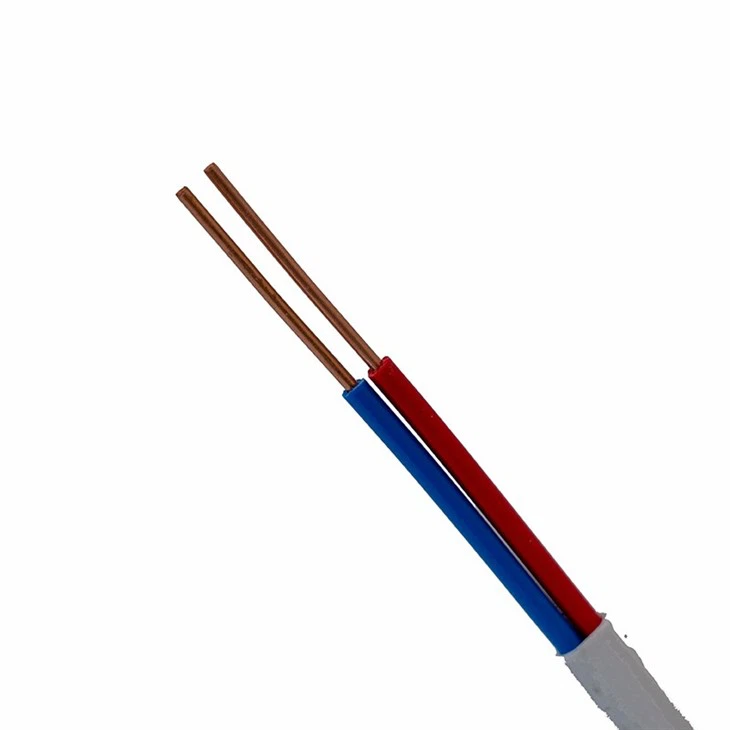
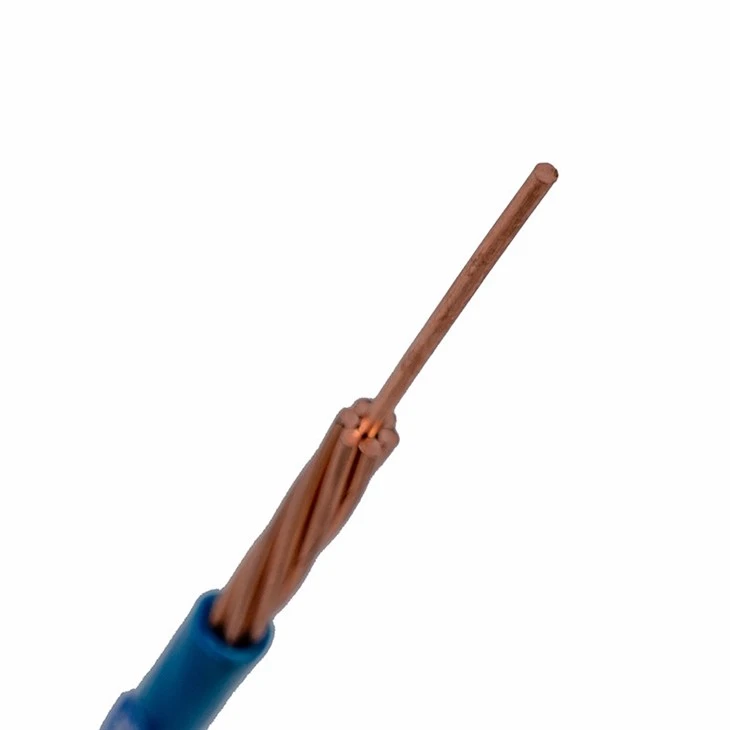
Before you start working with common house wire, it's important to have a basic understanding of its components and functions. Common house wire typically consists of one or more conductors (usually made of copper or aluminum) surrounded by an insulating material. The insulation protects the conductors from damage and prevents electrical shocks.
There are different types of common house wire available, each designed for specific applications. For example, Electrical Wire for House Lights is typically thinner and has a lower ampacity than wire used for outlets or appliances. Household Insulated Wire comes in various gauges and colors, which indicate the wire's size and function.
Safety Precautions Before Starting Work
- Turn Off the Power: The first and most important safety precaution when working with common house wire is to turn off the power at the circuit breaker or fuse box. This will prevent electrical shocks and reduce the risk of fire. Use a voltage tester to confirm that the power is off before you start working.
- Wear Protective Gear: Always wear appropriate protective gear, such as safety glasses, gloves, and insulated shoes. This will protect you from electrical shocks, cuts, and other injuries.
- Inspect the Wire: Before using any common house wire, inspect it for damage, such as cuts, frays, or exposed conductors. If you find any damage, do not use the wire and replace it immediately.
- Use the Right Tools: Use only tools that are designed for electrical work and are in good condition. This includes wire strippers, pliers, screwdrivers, and voltage testers. Make sure your tools are properly insulated to prevent electrical shocks.
Working with Common House Wire
- Avoid Overloading Circuits: Each circuit in your home is designed to handle a specific amount of electrical load. Overloading a circuit can cause the wires to overheat, which can lead to a fire. Make sure you know the ampacity of the wire and the circuit breaker or fuse protecting the circuit. Do not connect more appliances or devices to a circuit than it can handle.
- Properly Connect Wires: When connecting common house wire, make sure the connections are tight and secure. Use wire nuts or other approved connectors to join the wires together. Avoid using tape or other makeshift connectors, as they can come loose over time and cause electrical problems.
- Keep Wires Away from Heat and Moisture: Electrical wires should be kept away from sources of heat, such as heaters, stoves, and light fixtures. Heat can cause the insulation on the wires to melt, which can lead to a short circuit. Wires should also be kept away from moisture, as water can conduct electricity and cause electrical shocks.
- Follow Electrical Codes: Electrical work in your home must comply with local electrical codes. These codes are designed to ensure the safety of your home and its occupants. Make sure you are familiar with the electrical codes in your area and follow them when working with common house wire.
After Completing Work
- Test the Circuit: After you have completed your electrical work, turn the power back on at the circuit breaker or fuse box. Use a voltage tester to confirm that the circuit is working properly. Test all the outlets, switches, and appliances connected to the circuit to make sure they are functioning correctly.
- Clean Up: Once you have finished working with common house wire, clean up the work area. Dispose of any old or damaged wire and tools properly. Keep your work area clean and organized to prevent accidents.
Importance of Professional Help
While many electrical projects can be completed by homeowners, some tasks are best left to a professional electrician. If you are unsure about any aspect of working with common house wire, or if the project involves complex electrical systems, it's always a good idea to hire a licensed electrician. A professional electrician has the knowledge, skills, and experience to ensure that your electrical work is done safely and correctly.
Conclusion
Working with common house wire can be a rewarding and cost-effective way to make electrical improvements to your home. However, it's important to prioritize safety at all times. By following the safety precautions outlined in this blog post, you can reduce the risk of electrical shocks, fires, and other electrical problems. Remember, if you have any questions or concerns about working with common house wire, don't hesitate to contact a professional electrician.
If you're in the market for high-quality common house wire, we're here to help. As a leading supplier of Common House Wire, we offer a wide range of products to meet your needs. Whether you're a homeowner, contractor, or DIY enthusiast, we can provide you with the wire and expertise you need to complete your electrical projects safely and successfully. Contact us today to discuss your requirements and start the procurement process.
References
- National Electrical Code (NEC)
- Local electrical codes and regulations
- Manufacturer's instructions for common house wire and electrical tools






