


What is the attenuation of 3 Core Household Wire?
As a supplier of 3 Core Household Wire, I often encounter questions from customers regarding the attenuation of these wires. Attenuation is a crucial concept in the field of electrical wiring, especially when it comes to ensuring the efficient and reliable transmission of electrical signals in a household setting.
Understanding Attenuation
Attenuation refers to the reduction in the strength of an electrical signal as it travels through a conductor. In the context of 3 Core Household Wire, this can have significant implications for the performance of electrical appliances and systems connected to the wire. There are several factors that contribute to the attenuation of 3 Core Household Wire.
One of the primary factors is the resistance of the wire. All conductors have some level of resistance, which is a measure of how much the wire opposes the flow of electric current. According to Ohm's Law (V = IR, where V is voltage, I is current, and R is resistance), when current flows through a wire with resistance, there is a voltage drop across the wire. This voltage drop results in a decrease in the strength of the electrical signal, leading to attenuation.
The material of the wire also plays a vital role in determining its attenuation characteristics. Copper is a commonly used material for 3 Core Household Wire due to its low resistivity. Low resistivity means that copper offers less opposition to the flow of current, resulting in less attenuation compared to other materials. For instance, Copper Core Polyethylene Insulated Cable is a popular choice in households because of its excellent electrical conductivity and relatively low attenuation.
The cross - sectional area of the wire is another important factor. A larger cross - sectional area generally leads to lower resistance and less attenuation. This is because a wider wire provides more space for the electrons to flow, reducing the chances of collisions and energy loss. In household wiring, different applications may require wires of different cross - sectional areas to minimize attenuation. For example, high - power appliances may need wires with a larger cross - sectional area to ensure that they receive an adequate and stable electrical supply.
Attenuation in Different Household Applications
In a household, 3 Core Household Wire is used for various purposes, and the attenuation requirements can vary depending on the application.
Lighting Systems: When it comes to Electrical Wire for House Lights, attenuation needs to be carefully considered. Lights are sensitive to changes in voltage. If the attenuation is too high, the lights may flicker or not reach their full brightness. A small voltage drop due to attenuation can cause a noticeable difference in the performance of the lighting system. For example, in a long corridor where the wire runs over a significant distance, the attenuation can be more pronounced. To address this, proper wire sizing and selection are essential. Using wires with a larger cross - sectional area or materials with low resistivity can help maintain a stable voltage supply to the lights, ensuring consistent illumination.
Power Outlets: Power outlets are used to connect a wide range of electrical appliances, from small chargers to large appliances like refrigerators and washing machines. High attenuation in the wire supplying power to these outlets can lead to reduced power output for the appliances. Appliances may not function properly or may even overheat if they do not receive the correct voltage. For example, a computer connected to an outlet with a wire experiencing high attenuation may encounter frequent crashes or malfunctions due to unstable power supply.
Measuring and Minimizing Attenuation
Measuring the attenuation of 3 Core Household Wire can be done using specialized equipment such as a voltmeter. By measuring the voltage at the source and at the end of the wire, the voltage drop can be determined, which is an indication of the attenuation.
To minimize attenuation, several strategies can be employed. As mentioned earlier, choosing the right wire material and cross - sectional area is crucial. Additionally, reducing the length of the wire can also help. Shorter wires generally have less resistance and, therefore, less attenuation. If possible, the electrical system should be designed in a way that minimizes the distance between the power source and the electrical appliances.
Proper installation of the wire is also important. Loose connections or damaged insulation can increase the resistance of the wire, leading to higher attenuation. Ensuring that the wire is installed correctly, with tight connections and intact insulation, can help maintain the integrity of the electrical signal and reduce attenuation.
The Role of 3 Core Household Wire in Modern Homes
In modern homes, the demand for electricity is constantly increasing. With the proliferation of smart home devices, high - definition televisions, and other electrical appliances, the quality of the electrical wiring becomes even more critical. 3 Core Household Wire is designed to meet these demands by providing a reliable and efficient means of transmitting electrical power.

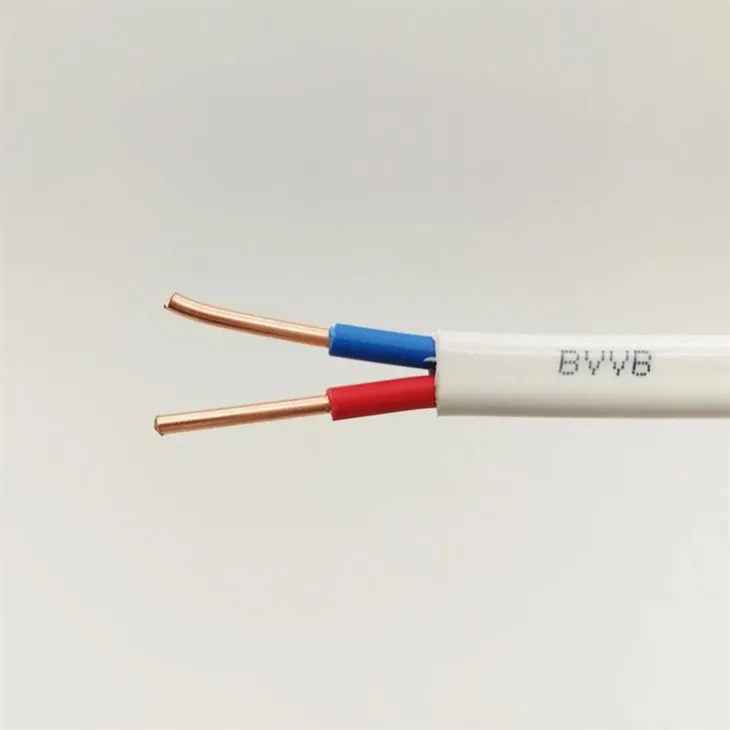
The three cores in the wire serve different purposes. One core is typically used for the live wire, which carries the electrical current from the power source. Another core is for the neutral wire, which provides a return path for the current. The third core is often the earth wire, which is used for safety purposes, protecting against electrical shocks.
By understanding and managing the attenuation of 3 Core Household Wire, we can ensure that these modern electrical devices operate at their best. This not only enhances the performance of the appliances but also improves the overall safety and comfort of the household.
Conclusion
In conclusion, the attenuation of 3 Core Household Wire is a complex but important topic. It is influenced by factors such as wire resistance, material, cross - sectional area, and length. Different household applications have different attenuation requirements, and it is essential to choose the right wire and installation methods to minimize attenuation.
As a 3 Core Household Wire supplier, I am committed to providing high - quality wires that meet the needs of modern households. Our wires are carefully selected and tested to ensure low attenuation and reliable performance. If you are in the process of building a new home, renovating an existing one, or simply looking for high - quality electrical wiring, I encourage you to contact us for a purchase negotiation. We have a team of experts who can help you choose the right wire for your specific needs and ensure that your electrical system operates efficiently and safely.
References
- Serway, R. A., & Jewett, J. W. (2018). Physics for Scientists and Engineers with Modern Physics. Cengage Learning.
- Grob, B. (2007). Basic Electronics. McGraw - Hill Education.






