Hey there! As a supplier of Mains Armoured Cable, I've seen firsthand how moisture can play havoc with these essential electrical components. In this blog, I'll break down exactly how moisture affects Mains Armoured Cable and why it's crucial to keep an eye on it.
What is Mains Armoured Cable?
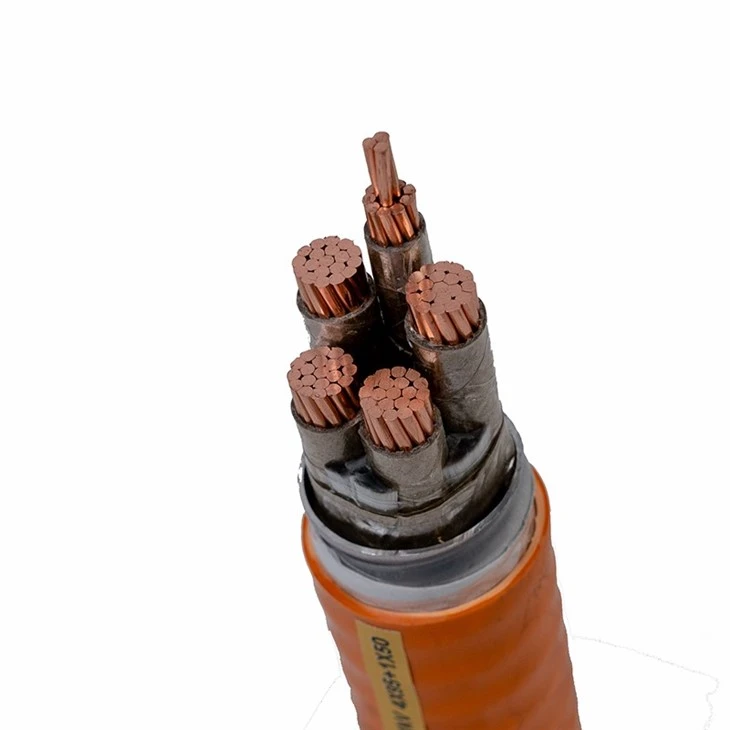
Before we dive into the effects of moisture, let's quickly go over what Mains Armoured Cable is. It's a type of electrical cable that's designed to carry power from the main supply to various electrical devices and systems. The "armoured" part means it has an extra layer of protection, usually made of steel wire or tape, which helps to prevent physical damage.
There are different types of Mains Armoured Cable available, like the 4 Core Low Voltage Power Cable, XLPE Insulated Underground Power Cable, and Yjv32 Power Electrical Cable Amourd. Each type has its own unique features and applications, but they all share the same basic function of transmitting electricity safely and efficiently.
How Moisture Gets into Mains Armoured Cable
Moisture can find its way into Mains Armoured Cable in several ways. One common way is through improper installation. If the cable isn't sealed properly at the joints or terminations, water can seep in over time. This is especially true in outdoor or underground installations, where the cable is exposed to rain, snow, and groundwater.
Another way moisture can enter the cable is through damage to the outer sheath. If the armour or insulation is punctured or cracked, water can easily penetrate the cable. This can happen during installation, maintenance, or due to external factors like rodents or construction work.
Effects of Moisture on Mains Armoured Cable
Now, let's take a look at how moisture can affect Mains Armoured Cable.
1. Insulation Degradation
One of the most significant effects of moisture on Mains Armoured Cable is insulation degradation. The insulation is what prevents the electricity from leaking out of the cable and causing a short circuit. When moisture gets into the insulation, it can break down the insulating material over time. This can lead to a decrease in the cable's insulation resistance, which means that more current can leak through the insulation.
As the insulation resistance decreases, the risk of electrical arcing and short circuits increases. Electrical arcing can cause damage to the cable and other electrical components, and it can also pose a fire hazard. In extreme cases, a short circuit can cause a power outage or even an electrical explosion.
2. Corrosion
Moisture can also cause corrosion of the cable's conductors and armour. When water comes into contact with metal, it can cause a chemical reaction that leads to the formation of rust and other corrosion products. Corrosion can weaken the conductors and armour, which can reduce the cable's mechanical strength and electrical conductivity.
In addition to weakening the cable, corrosion can also cause problems with the cable's connections. Corroded conductors can have a higher resistance, which can lead to overheating and voltage drops. This can affect the performance of the electrical devices and systems that are connected to the cable.
3. Reduced Lifespan
The presence of moisture in Mains Armoured Cable can significantly reduce its lifespan. As the insulation degrades and the conductors and armour corrode, the cable becomes more prone to failure. This means that it may need to be replaced more frequently, which can be costly and disruptive.
In some cases, the damage caused by moisture may be so severe that the cable needs to be replaced immediately. This can be especially problematic in critical applications, where a power outage can have serious consequences.
4. Safety Risks
Moisture in Mains Armoured Cable can also pose a safety risk to people and property. As mentioned earlier, electrical arcing and short circuits can cause fires and explosions. In addition, corroded conductors and armour can pose a shock hazard to anyone who comes into contact with the cable.
To ensure the safety of your electrical system, it's important to regularly inspect your Mains Armoured Cable for signs of moisture damage. If you notice any signs of insulation degradation, corrosion, or other problems, it's important to have the cable repaired or replaced as soon as possible.
Preventing Moisture Damage
So, how can you prevent moisture from affecting your Mains Armoured Cable?
1. Proper Installation
One of the most important steps in preventing moisture damage is to ensure that the cable is installed properly. This includes sealing the joints and terminations correctly, using appropriate cable glands and connectors, and protecting the cable from physical damage.
When installing the cable, it's also important to follow the manufacturer's instructions and any relevant electrical codes and standards. This will help to ensure that the cable is installed safely and correctly, and that it will perform as expected.
2. Regular Inspections
Regular inspections are another important part of preventing moisture damage. By inspecting the cable regularly, you can identify any signs of moisture damage early on and take appropriate action to prevent further damage.
During an inspection, you should look for signs of insulation degradation, corrosion, and other problems. You should also check the cable's connections and terminations to ensure that they are tight and secure.

3. Moisture Barriers
In some cases, it may be necessary to use moisture barriers to protect the cable from moisture. Moisture barriers can be made of materials like polyethylene or rubber, and they can be installed around the cable to prevent water from entering.
Moisture barriers can be especially useful in outdoor or underground installations, where the cable is exposed to high levels of moisture. They can also be used in areas where the cable is likely to be exposed to water, such as near swimming pools or in basements.
4. Proper Storage
Proper storage is also important in preventing moisture damage. When storing the cable, it should be kept in a dry, cool place away from direct sunlight and moisture. If the cable is stored outdoors, it should be covered with a waterproof tarp or other protective covering.
Conclusion
In conclusion, moisture can have a significant impact on the performance and lifespan of Mains Armoured Cable. It can cause insulation degradation, corrosion, reduced lifespan, and safety risks. To prevent moisture damage, it's important to ensure that the cable is installed properly, inspected regularly, and protected from moisture.
If you're in the market for Mains Armoured Cable, or if you have any questions about how to prevent moisture damage, please don't hesitate to contact us. We're a leading supplier of Mains Armoured Cable, and we have the expertise and experience to help you choose the right cable for your application. We can also provide you with advice on installation, maintenance, and moisture prevention.
Let's work together to ensure the safety and reliability of your electrical system. Contact us today to discuss your Mains Armoured Cable needs and start a procurement conversation!
References
- Electrical Installation Guide, Institution of Engineering and Technology (IET)
- National Electrical Code (NEC)
- Cable Installation Handbook, BICC Cables Limited